What Is NFP in Forex? The Jobs Report Explained
Learn what NFP is in forex, how it shifts currency rates, and why jobs data creates volatility. Read the full guide.
By Trader Faculty Team
Direct Answer
Non-Farm Payrolls (NFP) is a monthly economic indicator published by the US Bureau of Labor Statistics that measures net employment changes across the American workforce, excluding agricultural and specific private workers. In forex trading, it serves as a primary driver of US Dollar volatility because labor strength directly shapes Federal Reserve interest rate expectations.
Non-Farm Payrolls (NFP) is a monthly US economic statistic that tracks the net change in non-agricultural jobs across the American workforce. Because it reveals the health of the world's largest economy, it causes some of the fastest and sharpest price swings in the currency market.
If you have ever watched currency charts on the first Friday of a month, you have likely seen prices spike hundreds of pips in a split second. Many beginners jump into these moves hoping for quick profits, only to suffer painful losses when the market suddenly snaps back. This guide explains what the jobs report measures, how it drives foreign exchange rates, and why waiting for the dust to settle protects your account balance.
Quick Takeaways
- NFP measures net US job growth outside farms and is typically published on the first Friday of the month at 8:30 AM Eastern Time.
- The report shifts US Dollar currency pairs by directly influencing Federal Reserve interest rate decisions.
- Price swings depend on how the headline number compares to consensus forecasts, wage data, and past monthly revisions.
- Severe spread widening and order slippage make holding trades through the first few minutes of the release very risky for beginners.
- Staying out of the market until initial news spikes calm down is a disciplined way to protect your account balance.
What Is NFP in Forex? Meaning and Definition
Non-Farm Payrolls (NFP) is a monthly US economic statistic that measures the net change in paid workers across the American economy, excluding farm workers and several specific job categories. The data is published monthly by the U.S. Bureau of Labor Statistics, an agency within the US Department of Labor.
To understand the nfp in forex meaning, you need to look at what the survey counts. The report leaves out farm workers because agricultural hiring changes drastically from season to season, which would blur long-term employment trends. It also excludes private household workers, non-profit organization staff, and active-duty military personnel. The Establishment Survey covers roughly 80% of US workers who contribute to Gross Domestic Product (GDP — the total monetary value of goods and services produced in a country).
The monthly publication is actually built from two separate surveys:
- The Establishment Survey: This queries about 119,000 businesses and government agencies to calculate the headline non-farm payroll number and average wage numbers.
- The Household Survey: This interviews about 60,000 households to determine the national unemployment rate and the labor force participation rate.
The US Dollar (USD) sits on one side of most major currency pairs. This broad look at employment makes NFP one of the most closely watched economic data releases in the forex market.
How the NFP Report Works: Schedule and Key Parts

The NFP report is typically released on the first Friday of the month at 8:30 AM Eastern Time (ET) as part of the broader Employment Situation report. While traders refer to the whole event as "NFP," the government actually releases three critical numbers at that exact second.
- Headline Non-Farm Employment Change: This is the headline number that hits the news feeds. It shows the net total of jobs added or lost during the prior month. A print of +200,000 means the US economy added 200,000 net jobs.
- The Unemployment Rate: This figure tracks the percentage of the total labor force that is unemployed and actively seeking work. Even if payrolls expand, the unemployment rate can rise if more people enter the workforce looking for jobs.
- Average Hourly Earnings: This metric measures the pace of wage growth month-over-month and year-over-year. Rising wages give workers more money to spend, which can fuel consumer price inflation.
These three parts connect directly to the Federal Reserve (the US central bank). The Fed has a dual mandate from Congress: maintain stable prices and promote maximum employment. When the jobs market is strong and wages rise quickly, the Fed may raise interest rates to cool down inflation. When job creation slows down and unemployment climbs, the Fed often cuts interest rates to encourage borrowing and business growth.
Why NFP Matters in Forex Trading
NFP matters in forex trading because US employment data directly shapes what the Federal Reserve does with interest rates, which determines the strength of the US Dollar. Currencies are priced in pairs, and capital tends to flow toward currencies that offer higher interest yields and stronger economic growth.
When looking at nfp in forex in trading, currency pairs connected to the US Dollar react immediately. The pairs that experience the heaviest trading volume and largest price ranges include EUR/USD (Euro / US Dollar), GBP/USD (British Pound / US Dollar). Other highly active pairs include USD/JPY (US Dollar / Japanese Yen) and AUD/USD (Australian Dollar / US Dollar). Because US labor trends impact corporate earnings, many traders who invest in the stock market follow the jobs report alongside currency traders.
| Economic Scenario | Labor Market Signal | Likely US Dollar Direction |
|---|---|---|
| Stronger jobs + rising wages | Strong economic growth and inflation risk | Bullish (US Dollar tends to rise) |
| Weaker jobs + falling wages | Slowing economy and cooling price pressure | Bearish (US Dollar tends to fall) |
| Mixed numbers (jobs beat, wages drop) | Conflicting signals on economic strength | Erratic volatility (whipsaws both ways) |
When the jobs figures show clear strength across all three metrics, investors often expect higher interest rates, which pushes the US Dollar up against other currencies. When the numbers show broad weakness, traders sell the greenback on expectations of rate cuts.
NFP in Forex Explained: Forecasts, Revisions, and Market Reactions
Market prices move during NFP not based on the raw employment number itself, but on how that number compares to consensus forecasts and previous monthly revisions. This dynamic is the core of nfp in forex explained for beginner traders.
Before the release, banks and economic analysts submit their estimates. Financial news providers average these predictions into a consensus forecast — that is, the benchmark expectation already priced into the market. If analysts expect 180,000 new jobs, a print of 185,000 will rarely trigger a huge price trend because the market was already prepared for that outcome. Sharp price moves happen when the actual data significantly beats or misses the consensus forecast.
Two factors often cause confusing price reactions:
Previous Month Revisions
Each month, the government updates the job numbers from the prior two months as late survey forms arrive. These revisions can change market sentiment in seconds.
For example, if the headline number shows 250,000 new jobs against a 200,000 forecast, the report looks strong. However, if the prior month is revised down from 220,000 to 140,000, the net job gain over the period is actually negative. The US Dollar might plummet even though the headline print beat expectations.
Conflicting Components and Market Whipsaws
The headline print, unemployment rate, and wage figures can point in opposite directions. A report might show 250,000 jobs created (positive for USD), but average hourly earnings might drop while unemployment jumps from 3.8% to 4.1% (negative for USD). When this happens, trading algorithms and human dealers disagree on the net outcome.
The price creates a whipsaw — that is, a violent spike upward followed instantly by a collapse downward, or vice versa. Both buyers and sellers can get stopped out with losses.
Execution Realities and Common Beginner Mistakes
Trading the NFP release exposes market participants to severe execution challenges that often trigger losses regardless of whether a trader correctly guessed the trend. During the first two to five minutes after 8:30 AM ET, retail order execution changes drastically.
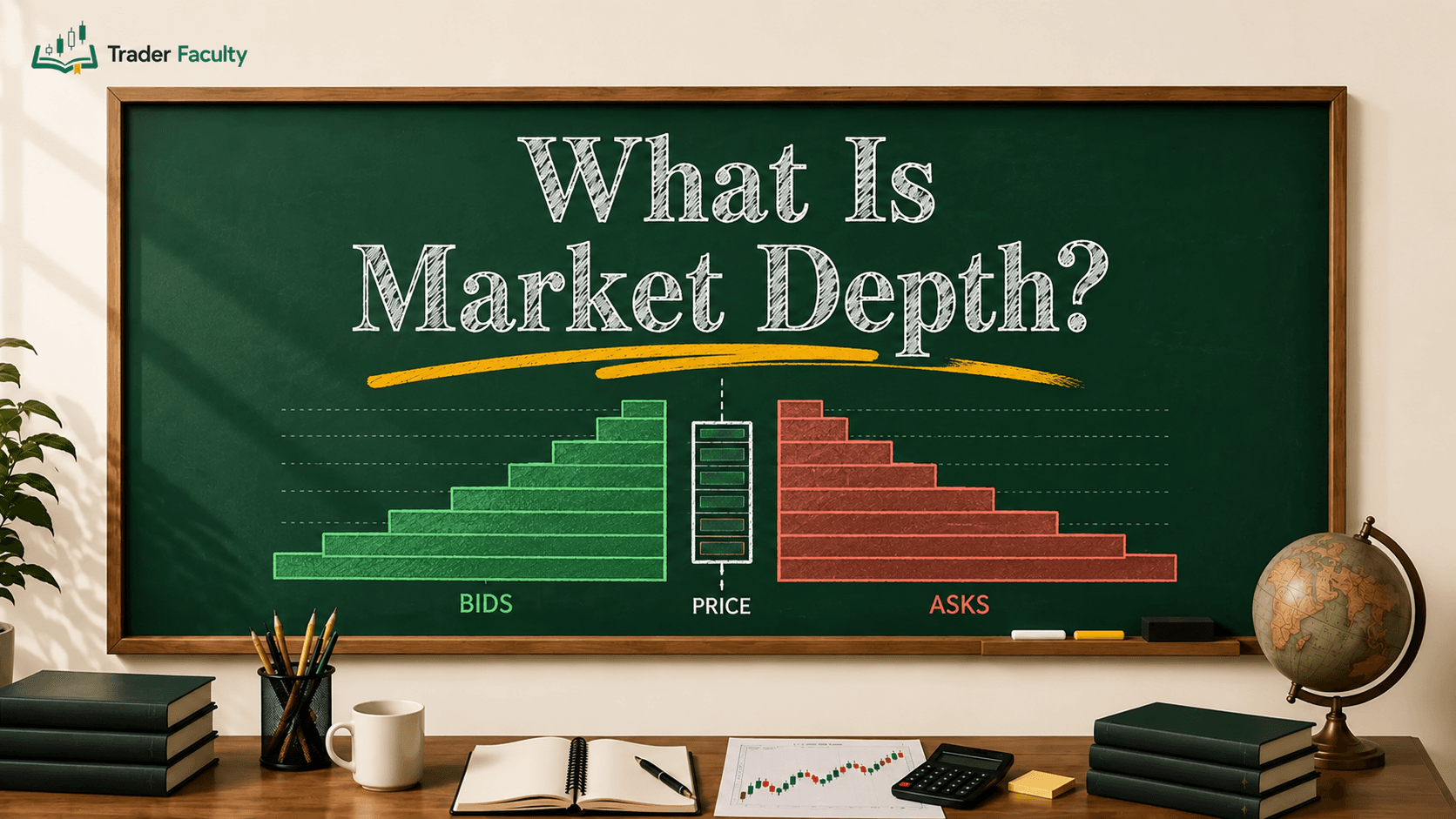
First, market liquidity dries up right before the numbers hit the tape. Institutional market makers pull their resting orders to avoid holding risk during the news.
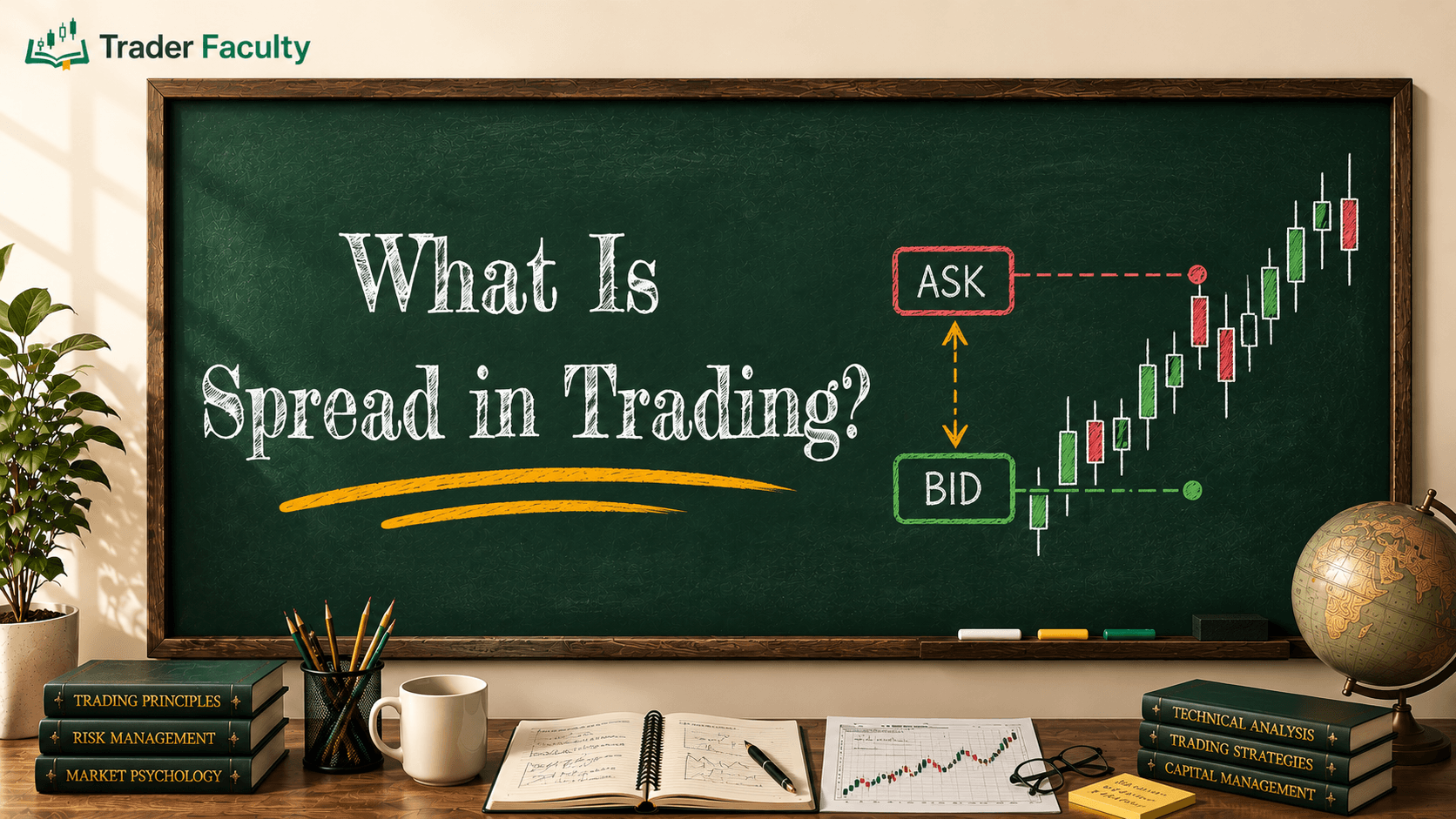
With few orders on the books, the spread — the gap between the buy price and the sell price. It can widen from 1 pip (the smallest standard price move in a currency quote) to 15 or 20 pips. This spread blowout can trigger your stop loss before the market even begins its real directional move.
Second, price charts experience physical price gaps and slippage — the difference between the price you clicked to exit and the actual price where your broker fills the trade. A normal stop loss is not a fixed floor during high-impact news. Your broker will fill your order at the next available market price, which could be 30 pips past your chosen limit.
Common mistakes to avoid:
- Gambling on the print: Placing a buy or sell trade right before 8:30 AM ET is simply guessing, not systematic trading.
- Using heavy leverage: Using high leverage when spreads are blown out can wipe out an account on a single erratic spike.
- Assuming the first move is real: The first 60-second candle often moves opposite to the real trend. Algorithmic systems react to headline numbers before processing wage and revision details.
Staying flat (holding zero open positions) during major news events is a completely valid trading decision. Professional money managers frequently step aside, waiting for the spread to normalize before entering trades based on clear technical price structure.
Conclusion
Understanding what NFP is in forex helps you recognize how major economic reports drive short-term price swings and long-term currency trends. The jobs report is not just a single employment figure. It is a three-part look at US labor strength, wage pressure, and national unemployment that guides the Federal Reserve's interest rate policy. Because markets price in expectations ahead of time, surprises and monthly data revisions carry far more weight than raw headline totals.
Before you try to trade major news events, take time to learn the basic mechanics of how order types and risk management work when you start trading. Currency trading always carries the risk of losing money, especially during high-volatility news releases where execution slippage and wide spreads can magnify losses. Treat this economic data as a fundamental guide for broader market direction rather than a reason to gamble on sudden price spikes.
Frequently Asked Questions
What time is the NFP report released in forex trading?
The US Bureau of Labor Statistics typically publishes the NFP report on the first Friday of the month at 8:30 AM Eastern Time (ET), which corresponds to 1:30 PM Greenwich Mean Time (GMT) during US standard time, or 12:30 PM GMT (1:30 PM British Summer Time) during US daylight saving time. Major currency pairs typically experience an immediate surge in trading volume and price movement the second the report becomes public.
Which currency pairs move the most during an NFP release?
Currency pairs that include the US Dollar experience the highest volatility during the NFP release, and the most active pairs include EUR/USD, GBP/USD, USD/JPY, and AUD/USD. Other assets closely tied to US interest rate expectations, such as spot gold (XAU/USD) and equity index CFDs, also see large intraday price swings following the announcement.
What makes an NFP number good or bad for the US Dollar?
An NFP number is considered good or bad relative to market consensus forecasts rather than its absolute value. If the actual job additions beat economist expectations, the US Dollar often strengthens on hopes of tighter monetary policy, while a print falling below expectations tends to weaken the greenback as traders anticipate potential interest rate cuts.
Should beginner traders trade during the NFP release?
Most beginner traders should avoid opening new positions during the first 15 to 30 minutes of the NFP release, because wide spreads, liquidity gaps, and severe execution slippage can trigger stop-loss orders well past intended levels. Staying flat allows beginners to study how market participants react without taking on unnecessary execution risks.
Which workers are excluded from the Non-Farm Payrolls data?
The NFP survey excludes agricultural workers because farm hiring fluctuates heavily by season, and it also excludes private household staff, non-profit organization employees, and active-duty military personnel. Despite these exclusions, the survey still captures roughly 80% of the US business workforce that contributes directly to the national Gross Domestic Product.
Keep learning
Trading 101
Know the mechanics cold before you risk a single cent.
8 lessons quiz
Start Trading 101The Trader Faculty Team writes and reviews every guide together — pairing hands-on market experience with a curriculum-first approach to trading education. One good syllabus, taught in the order that makes you better.