What Is Liquidity in Trading?
Learn what market liquidity is, how it works, and why it impacts your spreads and slippage. Read the full guide.
By Trader Faculty Team
Direct Answer
Liquidity in trading is the degree to which an asset can be quickly bought or sold in the market without affecting its price. High liquidity means there are plenty of active buyers and sellers, which allows for tight spreads and instant order execution. Conversely, low liquidity markets have fewer participants, leading to wider spreads and a higher risk of price slippage.
Liquidity in trading refers to how quickly and easily you can buy or sell an asset without causing a significant change in its price. Highly liquid markets have many active participants, making it easy to execute trades instantly at predictable prices.
Most beginners ignore liquidity until they try to exit a trade, only to find the price has jumped before their order fills. Understanding this concept is critical to keeping your trading costs low and avoiding unexpected losses. This guide covers how market liquidity works, how it affects your spreads, and the most common liquidity mistakes traders make.
Quick Takeaways
- High liquidity means there are plenty of buyers and sellers, allowing for fast trade execution and tight spreads.
- Low liquidity markets cost more to trade and carry a higher risk of unexpected price jumps.
- Market liquidity changes throughout the day based on trading sessions and major news events.
- Using limit orders in low-liquidity conditions can help you control your exact entry and exit prices.
What Is Liquidity?
The fundamental liquidity meaning in trading is a measure of how easily you can convert an asset into cash without moving its market price. When a market has high liquidity, it means there is a massive volume of buyers and sellers actively trading at all times.
Think of liquidity like selling a physical item. If you want to sell a one-ounce gold coin, you can walk into almost any dealer in the world and instantly exchange it for cash at the exact market rate. Gold is highly liquid.
On the other hand, if you want to sell a unique, custom-built house, it might take months to find a buyer willing to pay your asking price. If you need the cash immediately, you will likely have to drop the price significantly. Real estate is highly illiquid.
In financial markets, the exact same principle applies. If you buy shares of a massive company like Apple, you can sell them instantly because millions of other people are trading those shares every second. If you buy an obscure penny stock, you might struggle to find a buyer when it is time to close your position, forcing you to accept a lower price.
How Liquidity Works: The Order Book and Spreads
Market liquidity is driven by the order book, which is simply a digital list of all the active buy and sell orders at various prices. When you place a trade, your broker matches your order with someone else on the other side of the book.
In a highly liquid market, the order book is packed. There are buyers and sellers stationed at nearly every possible price increment. Because there is so much competition among market participants, the gap between the highest price a buyer is willing to pay (the bid) and the lowest price a seller is willing to accept (the ask) becomes very narrow.
This gap is known as the spread. Understanding how the spread works is crucial because it represents the baseline cost of every trade you take. High liquidity naturally compresses the spread, making it cheaper for you to enter and exit positions."
When liquidity dries up, the order book thins out. The gap between the closest buyer and seller widens, meaning you have to pay a much larger spread just to get your trade executed.
High vs. Low Liquidity Markets
Trading conditions vary drastically depending on whether you are in a highly liquid market or a low liquidity environment. Different asset classes, and even different instruments within the same asset class, behave differently based on their trading volume.
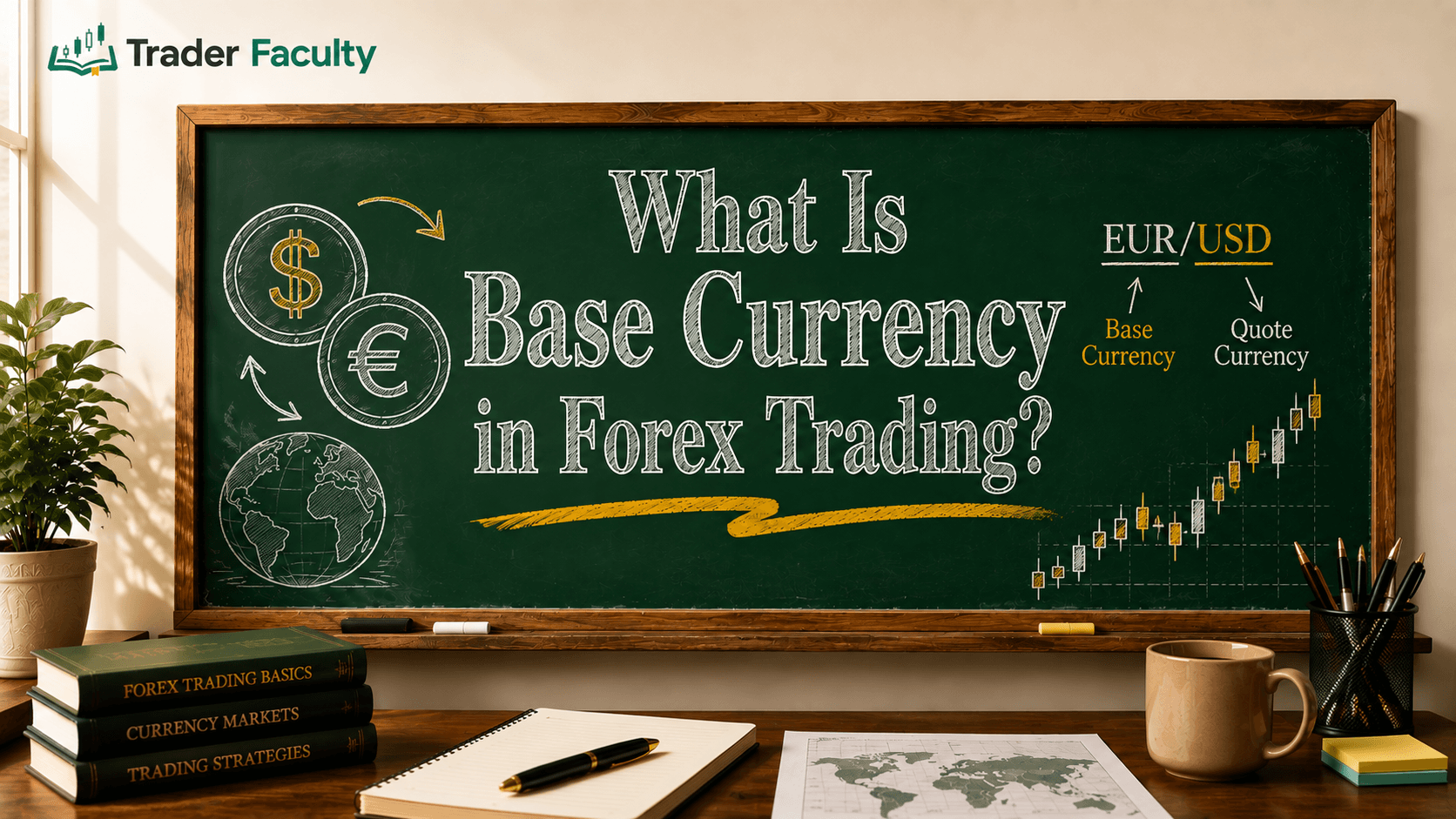
For example, liquidity in forex is generally the highest in the world, but this only applies to major currency pairs. The Euro/US Dollar (EUR/USD) pair consistently ranks as the most heavily traded currency pair in the world according to BIS data, offering incredibly tight spreads. Conversely, an exotic currency pair like USD/THB (US Dollar / Thai Baht) has far fewer participants, resulting in much wider spreads and erratic price movements.
| Asset Type | Liquidity Level | Typical Spread Cost | Execution Speed |
|---|---|---|---|
| Major Forex Pairs (EUR/USD) | Very High | Very Low | Instant |
| Blue-Chip Stocks (Apple, Microsoft) | High | Low | Instant |
| Major Indices (S&P 500, NASDAQ) | High | Low | Instant |
| Minor / Exotic Forex Pairs | Low to Medium | High | Moderate to Slow |
| Penny Stocks / Micro-caps | Very Low | Very High | Slow and unpredictable |
Why Market Liquidity Matters for Traders
Market liquidity directly impacts your bottom line by determining how much it costs to trade and how accurately your orders are filled. Traders typically prefer liquid markets for three main reasons:
1. Faster Execution Speeds
When there are thousands of participants waiting to transact, your broker can fill your orders in milliseconds. You get into the market exactly when you want to, and you get out exactly when you need to.
2. Reduced Transaction Costs
As mentioned earlier, high volume forces the spread to tighten. If you are a day trader placing multiple trades per day, trading highly liquid assets is essential. Paying a wide spread on every single trade in an illiquid market will quickly eat through your profit margins.
3. Protection Against Slippage
Slippage occurs when you place a market order, but because there are not enough buyers or sellers at your requested price, the broker fills you at the next available—and often much worse—price. Trading in highly liquid environments minimizes the risk of severe slippage on your trades, ensuring your trading strategy performs as expected.
Common Mistakes Traders Make with Liquidity
Even experienced traders can get caught off guard if they fail to adjust their strategy for changing market conditions. Here are the most common liquidity pitfalls to avoid.
Mistake 1: Ignoring the Time of Day
Liquidity is not constant; it fluctuates based on which global markets are open. For example, forex liquidity peaks when the London and New York sessions overlap. However, during the transition period between the New York close and the Asian open (often called rollover), liquidity drops significantly.
Spreads can widen noticeably during this low-liquidity window, so entering a trade at this time is a common beginner mistake that can result in immediate, unnecessary drawdowns.
Mistake 2: Blindly Using Market Orders
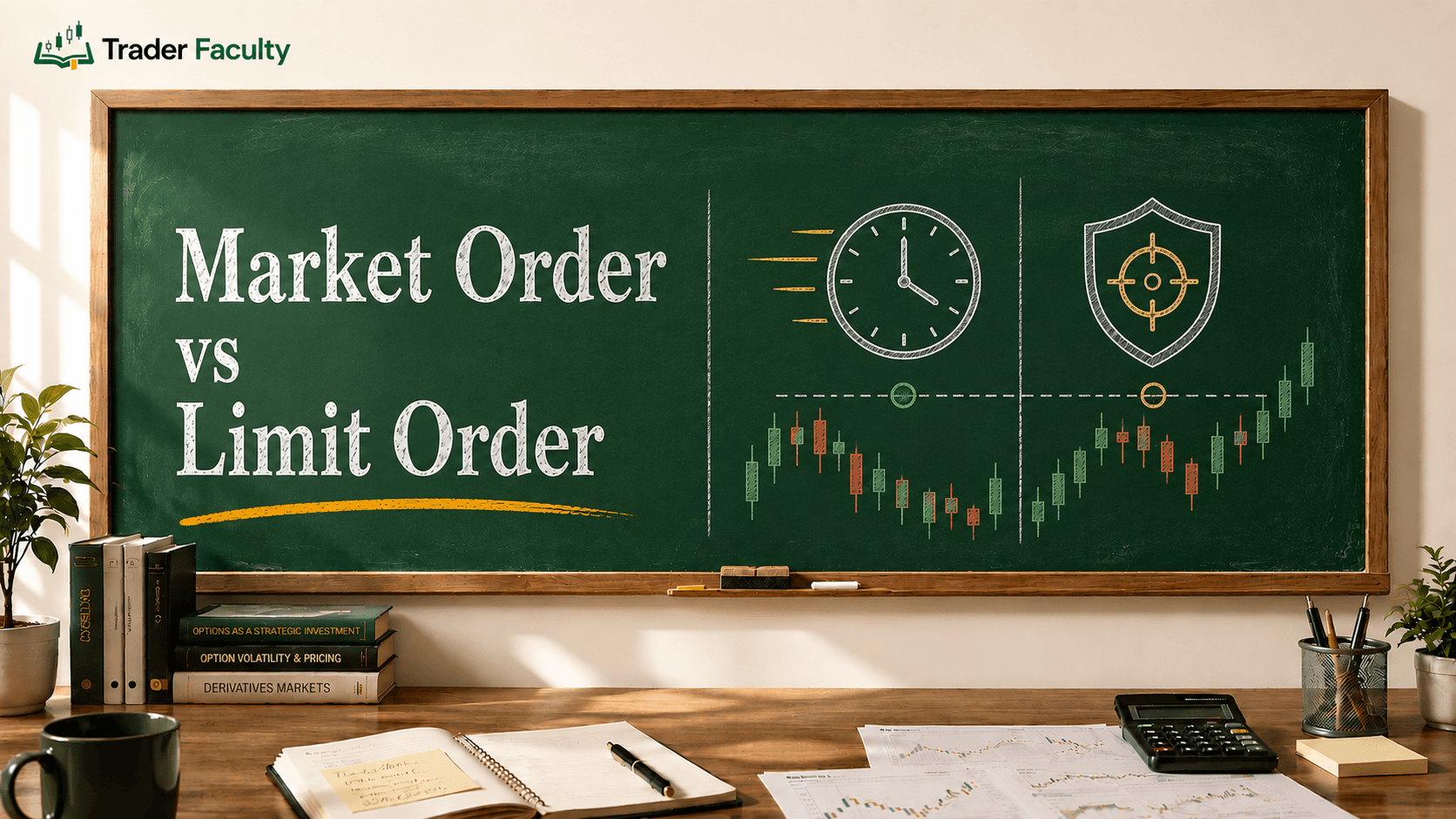
A market order tells your broker to buy or sell immediately at the best available price. In a highly liquid market, this is fine. But if you use a market order on a low-volume penny stock, the lack of liquidity means the "best available price" might be drastically far away from what you see on your screen. Switching to a limit order allows you to dictate your exact price, ensuring you never pay more than you intend to in thin markets.
Mistake 3: Getting Trapped in Breaking News
During major economic announcements, such as inflation data or interest rate decisions, liquidity providers often pull their orders out of the market to protect themselves from volatility. This causes liquidity to vanish instantly. The moment the news drops, spreads widen aggressively, and prices jump in large gaps. Attempting to trade directly into these low-liquidity spikes often results in massive slippage that bypasses stop-losses completely.
Conclusion
Understanding what liquidity is in trading helps you make smarter decisions about which assets to trade and when to trade them. By sticking to highly liquid markets like major forex pairs or blue-chip stocks, you ensure faster execution, tighter spreads, and a much lower risk of slippage.
Frequently Asked Questions
Is high liquidity good or bad in trading?
High liquidity is generally very good for traders. It means the market has a large number of buyers and sellers, which keeps bid-ask spreads tight and allows you to enter and exit trades quickly without experiencing major price jumps.
What happens when a market lacks liquidity?
When a market lacks liquidity, there are fewer participants willing to trade. This causes the bid-ask spread to widen significantly, making it more expensive to enter a position. It also increases the risk of slippage, where your order gets filled at a much worse price than expected.
What is the difference between volume and liquidity?
Trading volume refers to the actual number of shares or contracts that have been traded over a specific period. Liquidity refers to the ease of trading an asset right now without moving its price. While high volume usually creates high liquidity, they are not the exact same metric.
Which financial markets have the highest liquidity?
The foreign exchange (forex) market is the most liquid financial market in the world, particularly major currency pairs like EUR/USD. Large-cap stocks (like Apple or Microsoft) and major stock indices like the S&P 500 also offer extremely high liquidity during regular market hours.
Why does liquidity dry up during major news events?
During major economic announcements, large institutional traders and market makers often pull their orders to avoid unpredictable volatility. This sudden drop in active orders causes liquidity to dry up instantly, leading to widened spreads and erratic price gaps until the market digests the news.
Keep learning
Trading 101
Know the mechanics cold before you risk a single cent.
8 lessons quiz
Start Trading 101The Trader Faculty Team writes and reviews every guide together — pairing hands-on market experience with a curriculum-first approach to trading education. One good syllabus, taught in the order that makes you better.