Start here01Markets & Instruments
What is Trading?
The markets you can actually trade, from stocks and forex to CFDs and futures, and how each one really works.
Great starting point
8 lessons · 100 quiz
Start with the basicsTrading curriculum for beginners
Build your market knowledge with courses, practical guides, and quizzes covering stocks, forex and crypto.
The curriculum
Courses 1 to 4 are the main line, so work through those in order. Once Trading 101 is behind you, pick up 5, 6 and 7 whenever you need them, in whatever order suits you. Course 8 is where it all comes together.
The library
Eight categories and 387 guides, each one written to answer a single question. Read it on its own, or follow it back into the lesson and the course it belongs to.
63guides

Learn what trading is and how the core markets work. Build a solid structural foundation today. Read the full guide.
33guides
Learn how to start trading across all assets. Master liquidity, order types, leverage, and risk. Read the full guide.
23guides

Master the mechanics of risk management in trading. Learn how to calculate position sizing, implement structural stop losses, and protect your portfolio.
26guides
Discover core trading tools, platforms, brokers, and execution setups needed for active trading.
100guides
Discover how technical analysis helps traders read price charts, identify trends, and manage risk. Read the full guide.
74guides
Discover how macro indicators, central banks, and corporate metrics drive market prices. Read the full guide.
13guides

Discover how emotional cycles affect execution. Learn to spot blind spots and build structural discipline. Read the full guide.
55guides

Learn how rule-based trading strategies work, compare types, and build a systematic edge. Read the full guide.
Glossary
Every term a lesson uses is defined in one place, in plain language. Pick a letter to see what is in there.
Newest under A
Asset Class
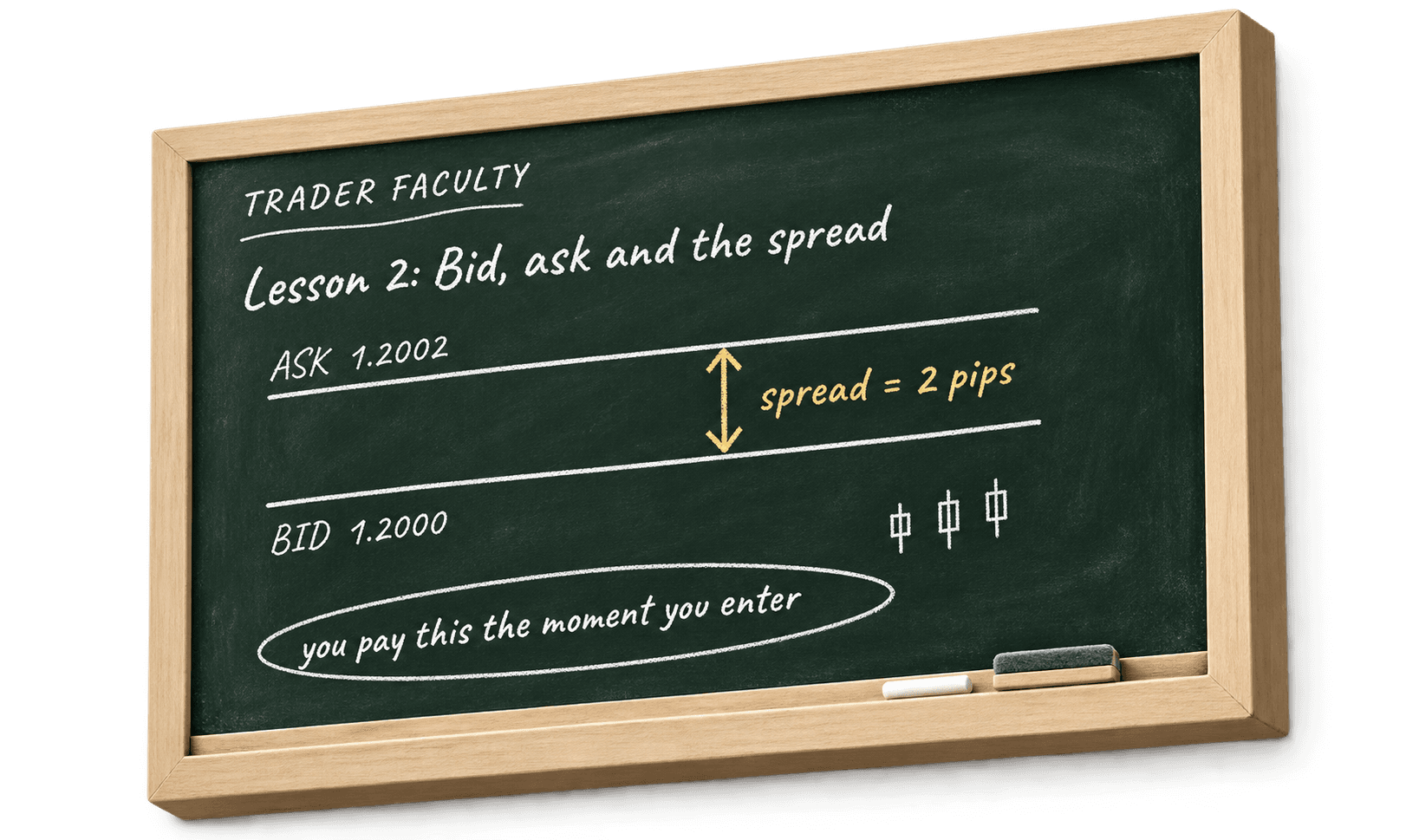
A group of financial instruments with similar characteristics: equities, fixed income, commodities, forex, crypto.
Asset
Any tradeable financial instrument: stocks, currencies, commodities, bonds, or crypto.
Ask Price
The price a seller is willing to accept, which is the price you pay when you buy.
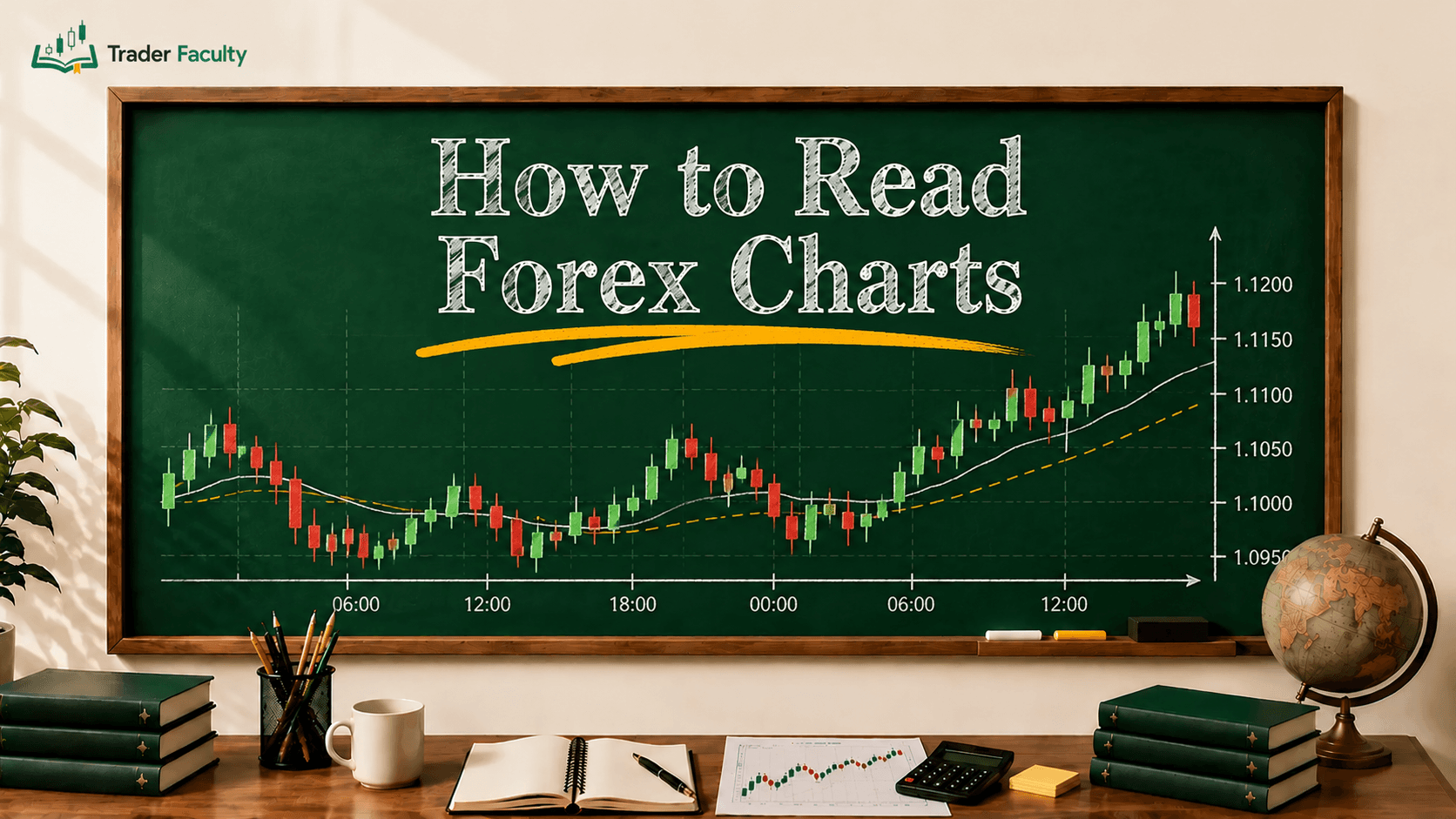
Technical AnalysisUpdated
Learn how to read forex charts, understand candlestick price points, and spot market trends. Read the full guide.
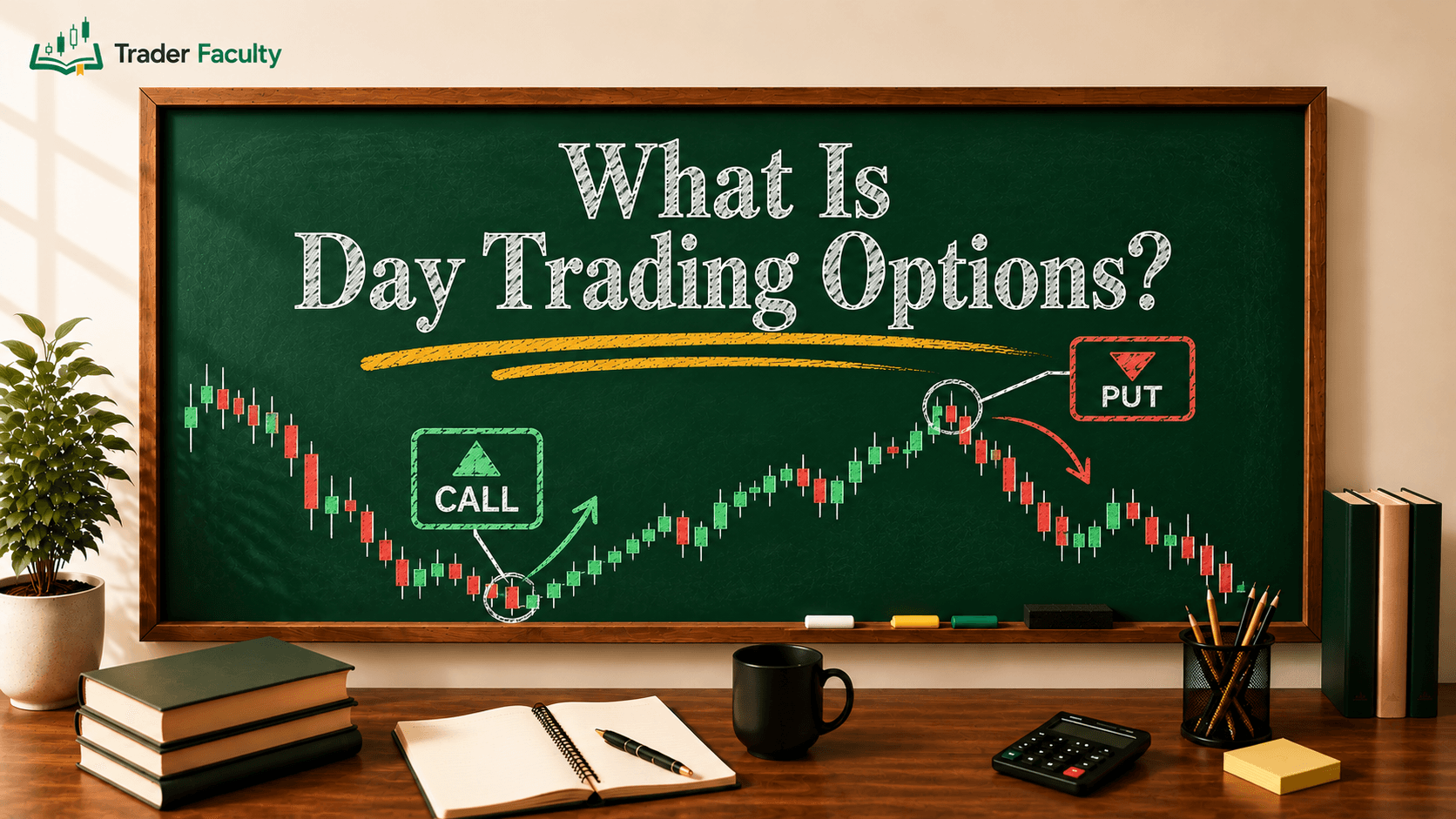
Markets & Instruments
Learn how day trading options works, from FINRA's intraday margin rules to option Greeks and risk controls. Read the full guide.
Updated
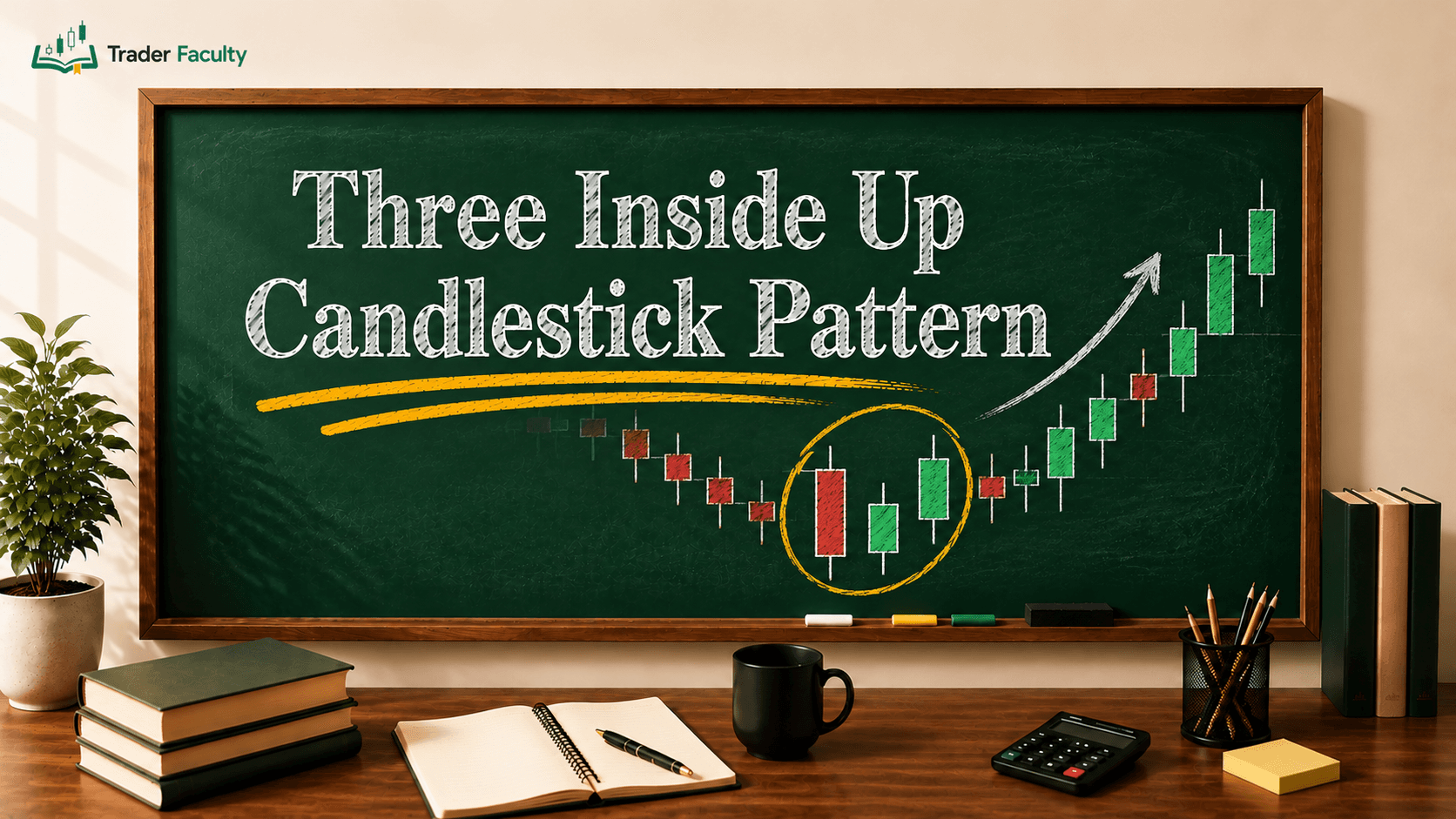
Technical Analysis
Learn how to identify the three inside up at key support levels and how traders manage its risks. Read the full guide.
Updated
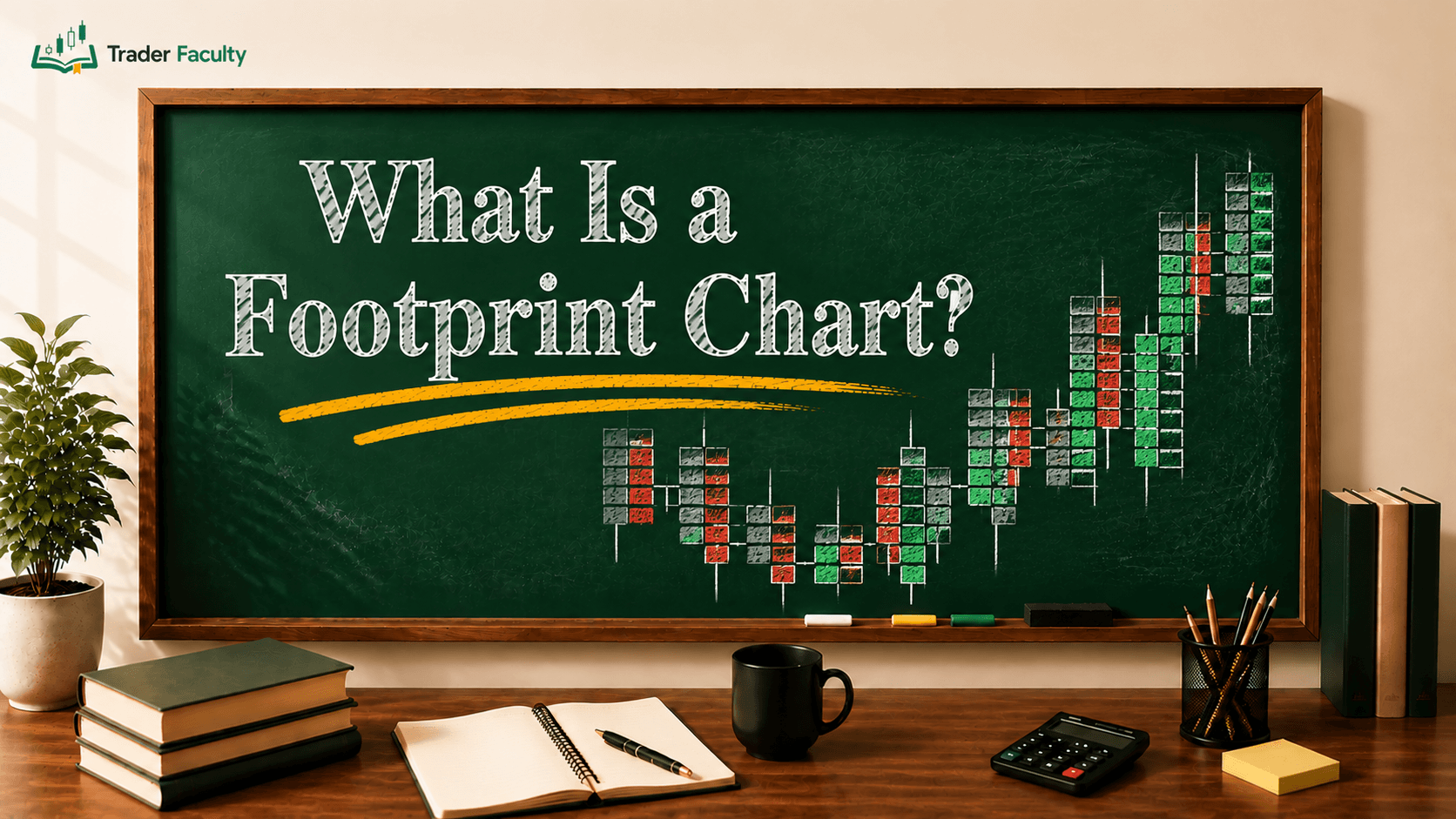
Technical Analysis
Learn how to read a footprint chart, interpret bid/ask order flow clusters, and spot absorption. Read the full guide.
Updated
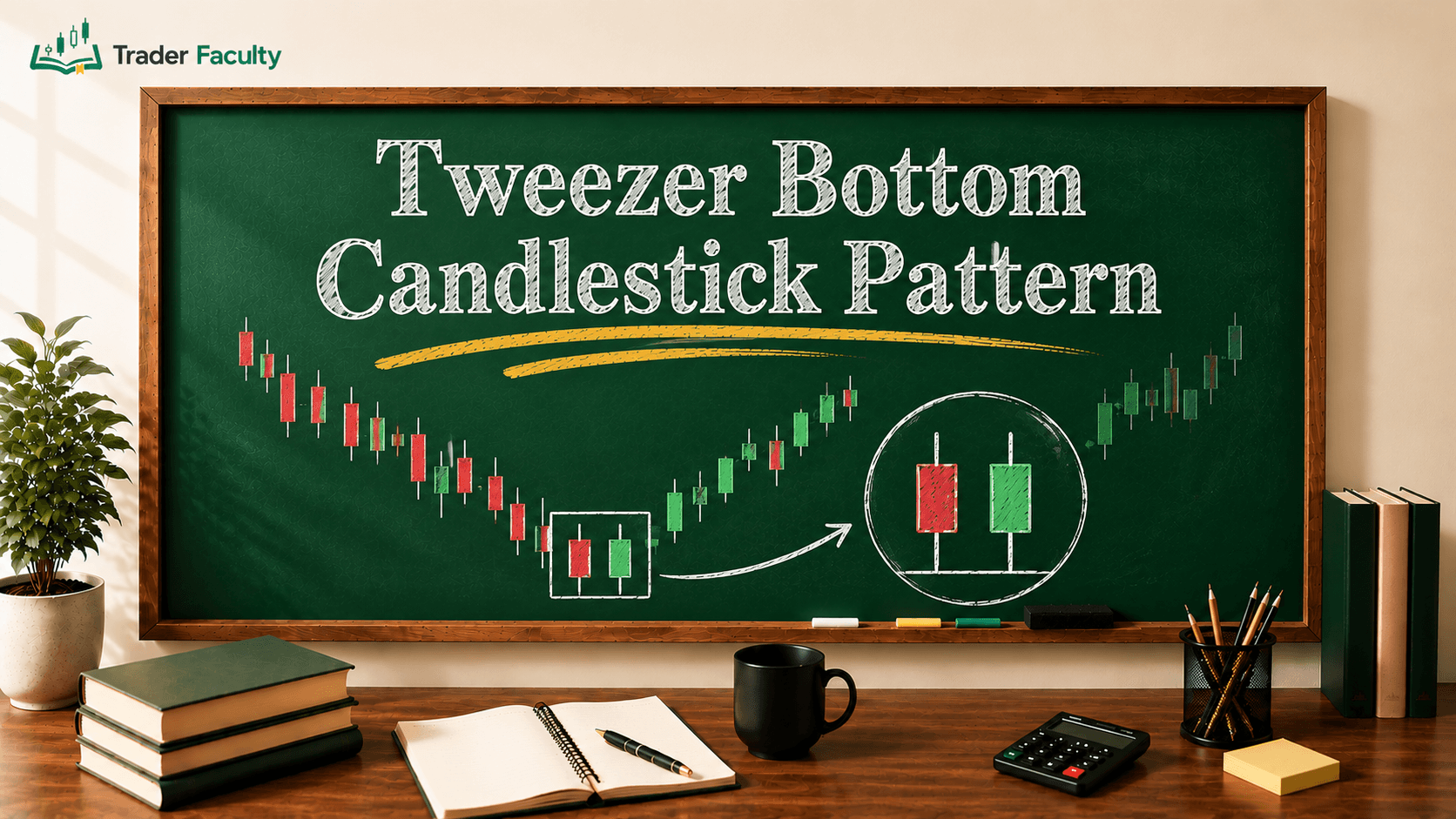
Technical Analysis
Learn how to identify the tweezer bottom at key support levels and how traders manage its risks. Read the full guide.
Updated
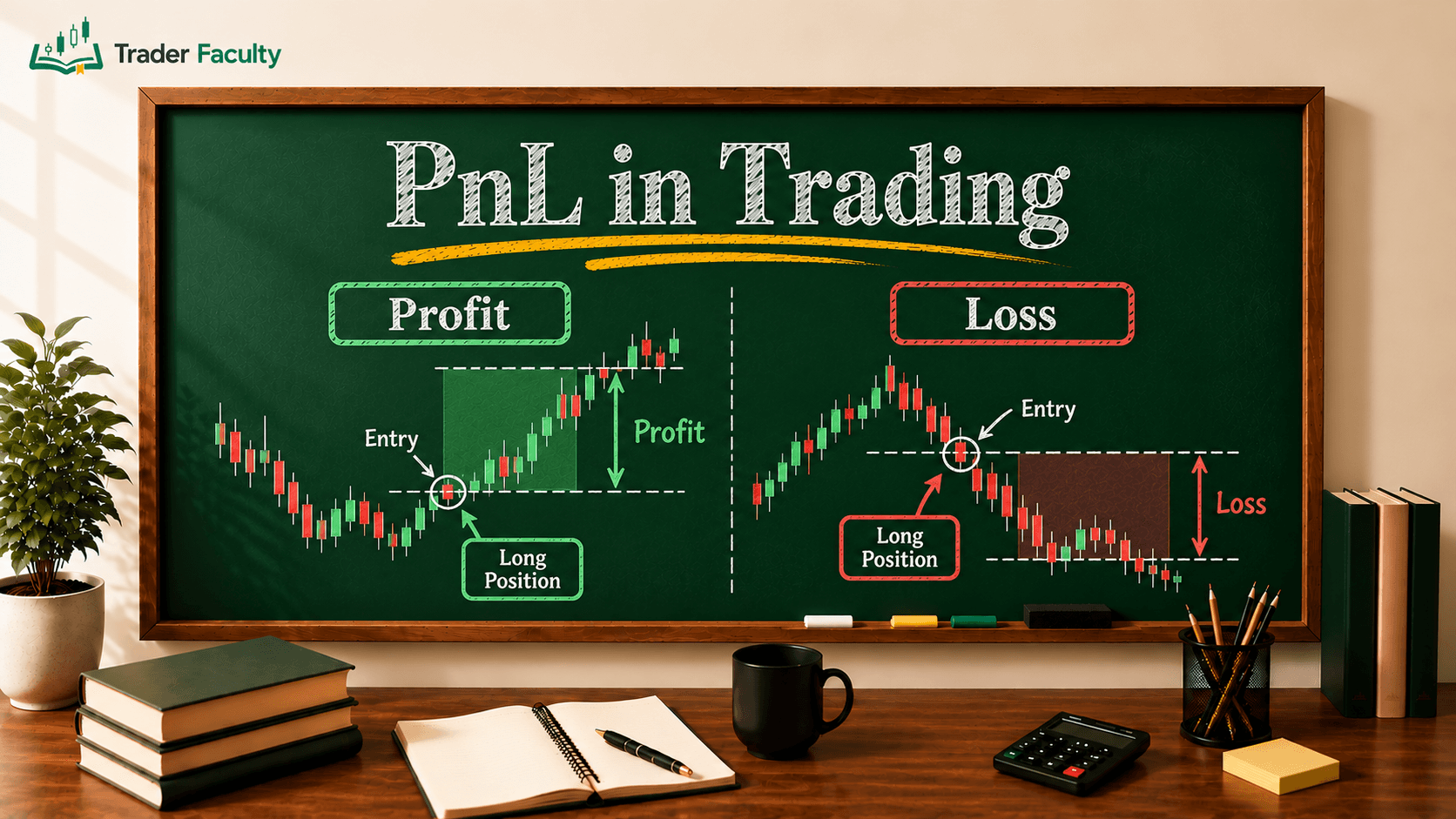
Risk Management
What is PnL in trading? Learn how floating vs. realized gains work and how profit and loss affect margin. Read the full guide.
Updated
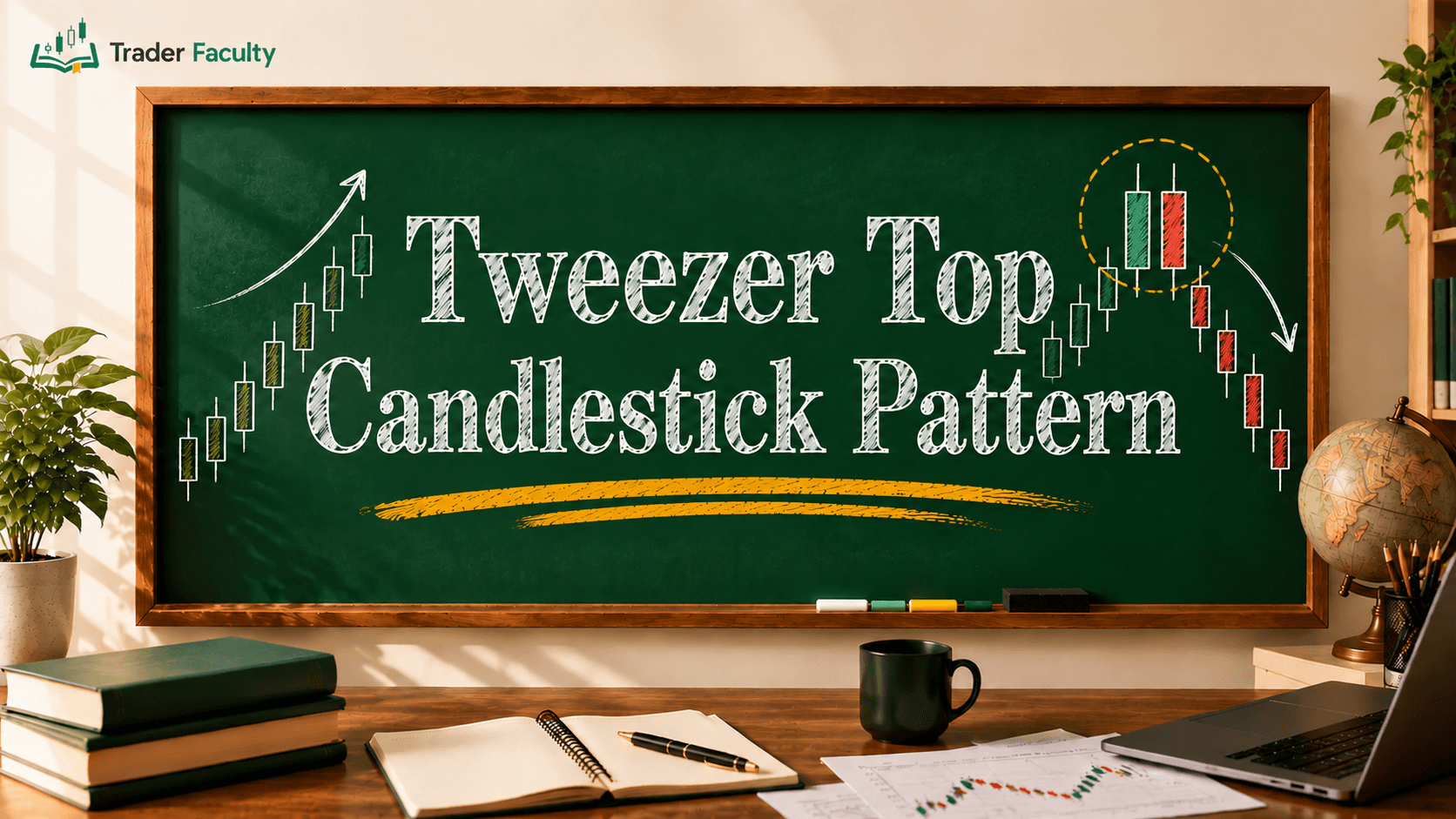
Technical Analysis
Learn how to identify the tweezer top candlestick pattern at key resistance levels and how traders manage its risks. Read the full guide.
Updated
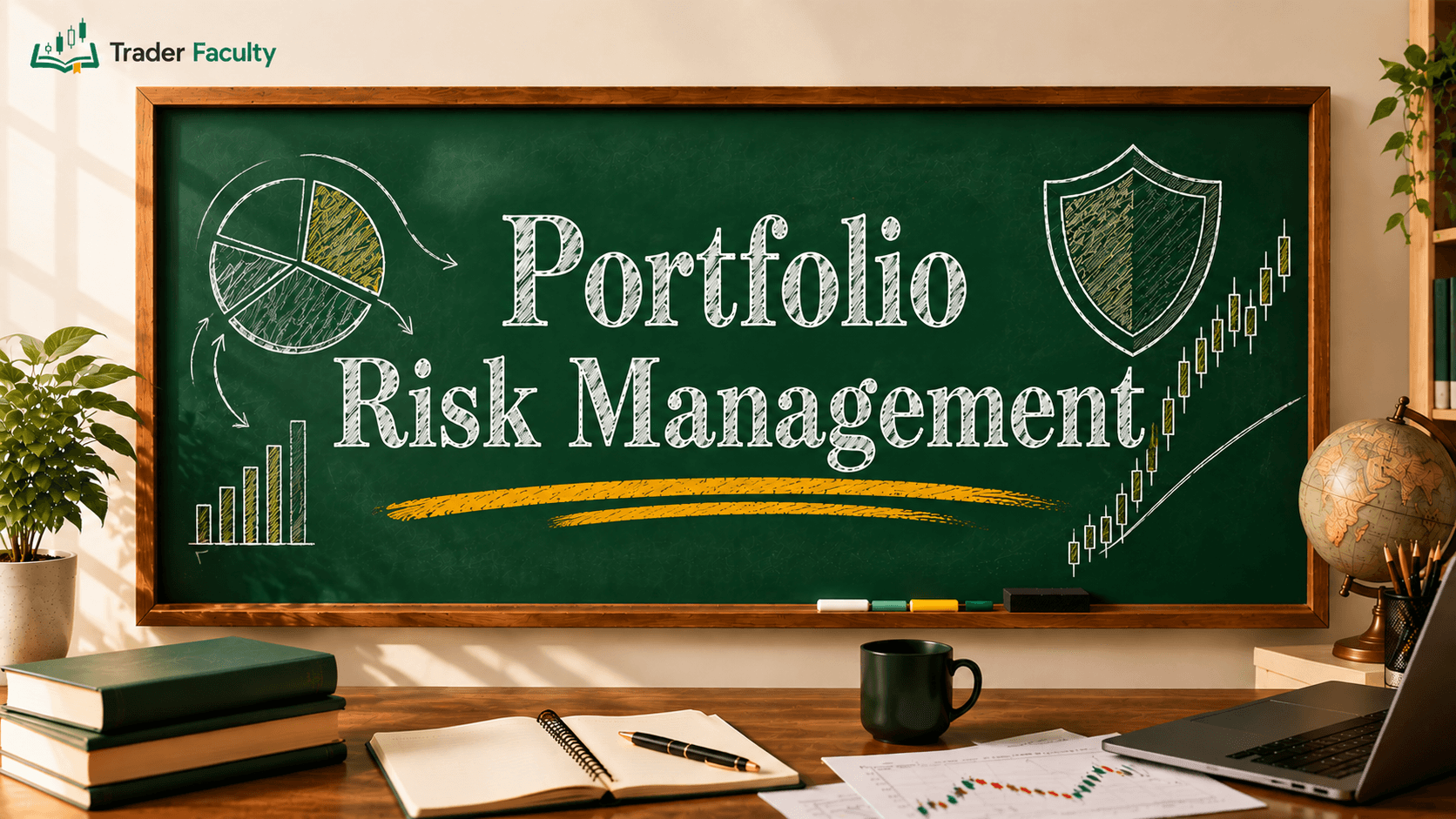
Risk Management
Learn how portfolio risk management works, from key metrics to position sizing and correlation risk. Read the full guide.
Updated
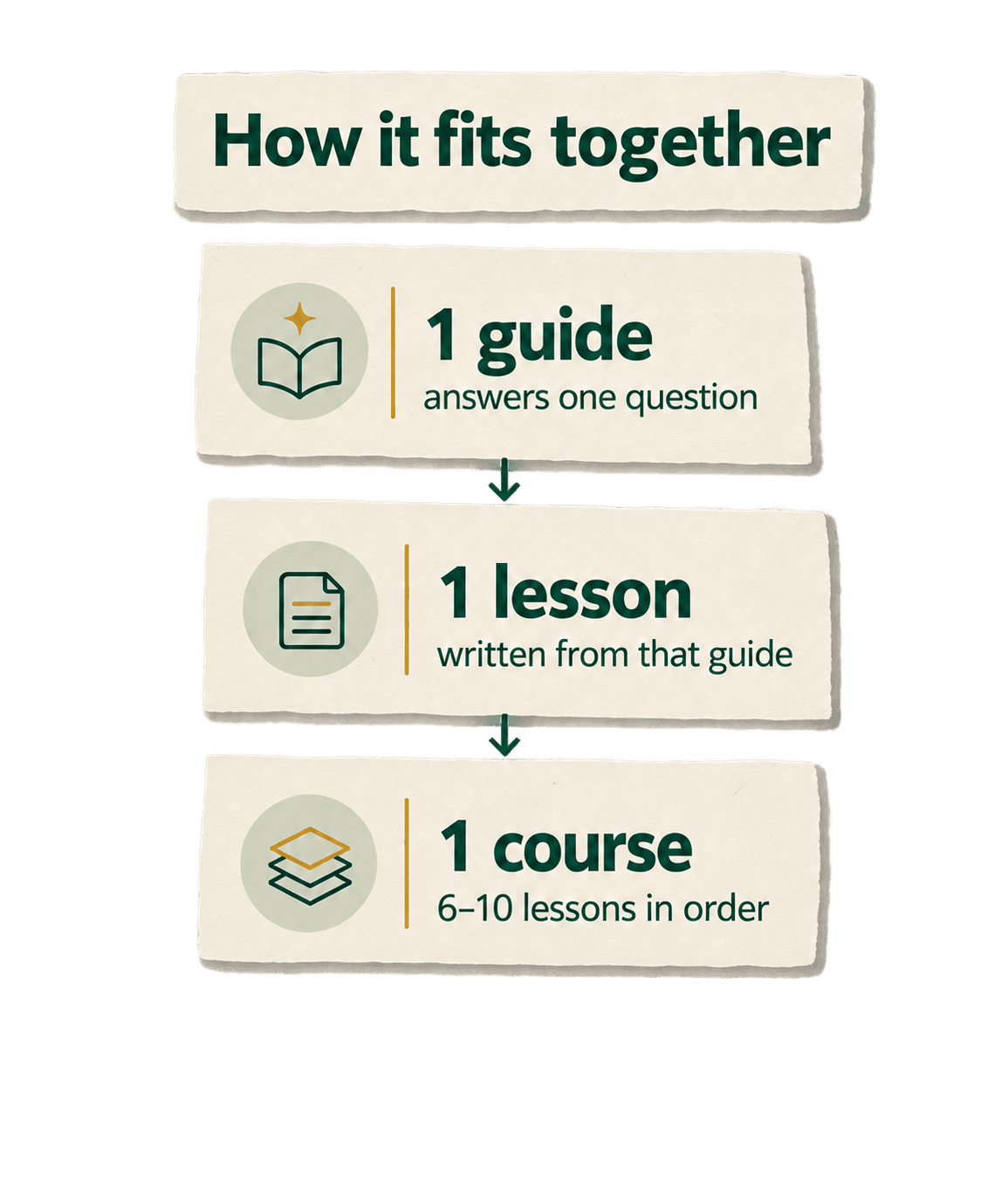
Trader Faculty is a trading academy built around one idea: you learn faster when someone tells you what to learn next. Every guide belongs to a lesson, every lesson to a course, and every course to a place in the path.
If a course isn’t right for you, it tells you before you start, not three lessons in. Look at any of the eight above.
Each lesson is written from a published guide and links back to it. Read the guide first if you’d rather, or go back to it any time.
No signals, no market calls, no daily commentary. We teach you how to decide, then leave the deciding to you.
Stocks, forex, crypto, futures and commodities, not forex only.
No. No recommendations, no signals, no market calls. Ever.
A guide answers one question. A course puts 6 to 10 of them in order and quizzes you on each.
No, but each course lists what it assumes you already know.
Six to ten lessons, with a roughly three-minute quiz on each one.
Course 04 sets you up on a demo account first, on purpose.
Risk warning
Trading involves the risk of losing money. Leverage can magnify both gains and losses and may result in rapid losses. Only trade with money you can afford to lose, and consider practicing with a demo account before funding a live account.
All content on this site is provided for informational and educational purposes only and does not constitute investment, financial, or trading advice. Trader Faculty does not provide personalized recommendations or tell you to buy or sell any financial product. Always do your own research, use your own judgment, and consider consulting a qualified professional before making financial decisions. To the fullest extent permitted by law, Trader Faculty is not responsible for losses or damages resulting from reliance on information published on this site.
AI use
Some lessons and quizzes may be drafted with AI assistance. All AI-assisted content is checked against source material and reviewed by a person before publication.