What Is Position Sizing in Trading? A Complete Guide to Capital Preservation
Learn what position sizing is in trading and how to control your unit counts to protect capital. Read the full guide.
By Trader Faculty Team
Direct Answer
Position sizing in trading is the method used to calculate the exact amount of an asset—such as stock shares, currency lots, or cryptocurrency units—to buy or sell for a single trade. It is calculated by dividing your total dollar risk (account balance multiplied by risk percentage) by your technical stop-loss distance. This process ensures that individual losses remain controlled regardless of market volatility.
Position sizing is the tactical process of determining the exact number of units, shares, or contracts you buy or sell for any given trade setup. It serves as your primary defense mechanism against market volatility by setting boundaries on your total exposure.
Many developing traders spend countless hours scanning charts for the perfect entry signal, only to see their accounts wiped out by a single bad trade. This happens because they focus on where to buy rather than how much to buy. Correctly structuring your trade volume shields your account from unavoidable losing streaks and keeps you in the game. This guide covers the foundational math behind calculating your ideal trade size, adjustments across different assets, and the structural market traps that can break standard models.
Quick Takeaways
- Position size dictates your total nominal market exposure, which operates independently from the actual dollar amount you risk losing.
- Dynamically adjusting your unit counts based on stop-loss distance is designed to help keep your intended financial risk consistent across different levels of asset volatility, though real-world slippage can still cause actual losses to exceed the plan.
- Standard mathematical formulas require real-world adjustments to account for execution slippage and sudden market gaps.
What Is Position Sizing in Trading?
Position sizing is the strategic calculation used to determine how many units of a financial instrument you should trade based on your risk tolerance. It bridges the gap between your total account equity and the volatility of an individual trade setup.
A common pitfall is treating position size and trade risk as the identical concept. Your position size represents the full nominal value or unit volume of the trade. Conversely, your trade risk is the specific dollar amount you stand to lose if the market hits your stop-loss.
By tailoring your position sizes systematically, you ensure that no single market move can critically damage your account balance. This discipline is the cornerstone of sustainable risk management trading.
The Mechanics: How Position Sizing Works
Calculating your correct position size requires balancing your total account equity, the percentage of capital you choose to risk, and the physical distance to your stop-loss.
Educational baselines frequently suggest risking 1% to 2% of total equity per trade. Rather than acting as a rigid rule, this baseline serves as a flexible guide that expands or contracts based on your account size, strategy expectancy (how much profit or loss your trading approach is expected to produce over many trades), and prevailing volatility. Once you define your risk parameters, you apply a universal mathematical relationship to find your volume:
Position Size = (Account Balance × Risk Percentage) / Distance to Stop Loss
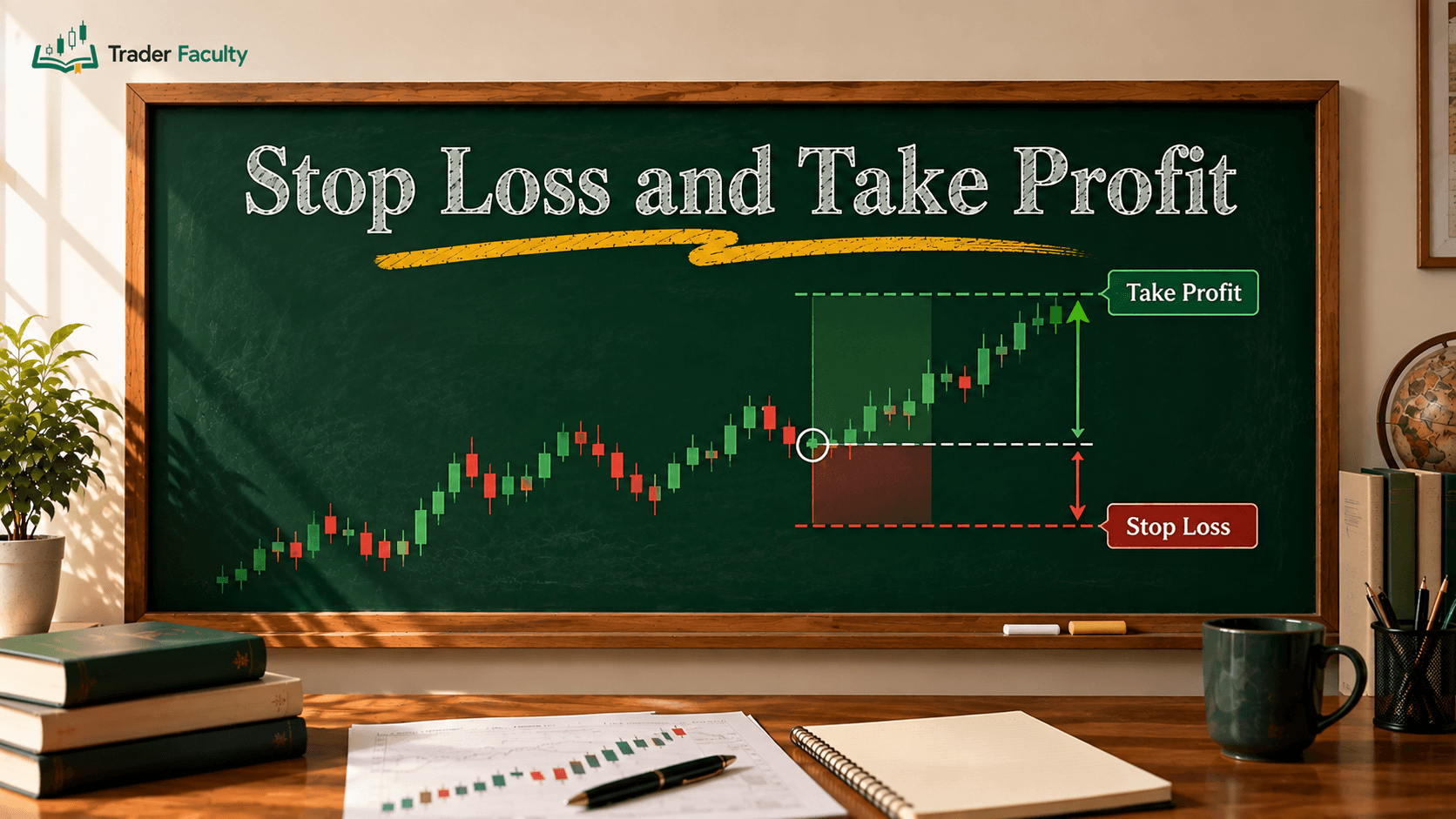
If you have a $10,000 account and choose a 1% risk threshold, your maximum dollar risk per trade is $100. If your technical setup requires a stop-loss distance of $2.00 below your entry price, dividing your $100 risk by the $2.00 distance yields a position size of exactly 50 units.
Managing Position Sizes Across Different Assets
While the mathematical foundation of position sizing remains identical across all financial markets, the specific units you trade vary by asset class.
When transitioning between markets, you must map the formula to asset-specific volumes, such as figuring out how to calculate lot size in forex compared to counting stock shares. The baseline formula adapts to these structural nuances seamlessly:
- Stocks: Quantified via individual shares, where the distance to your stop-loss is measured in cents or dollars.
- Forex: Quantified via micro, mini, or standard lots, where the distance to your stop-loss is measured in pips, requiring you to incorporate specific pip values into your final denominator.
- Crypto and Commodities: Quantified via native base units (like fractions of Bitcoin) or standardized contracts, tracking price movements directly against the quote currency.
The Blind Spots: Common Position Sizing Mistakes
Mechanical position sizing formulas assume ideal market execution, meaning they can fail during periods of extreme volatility or emotional trading.
The Slippage Illusion
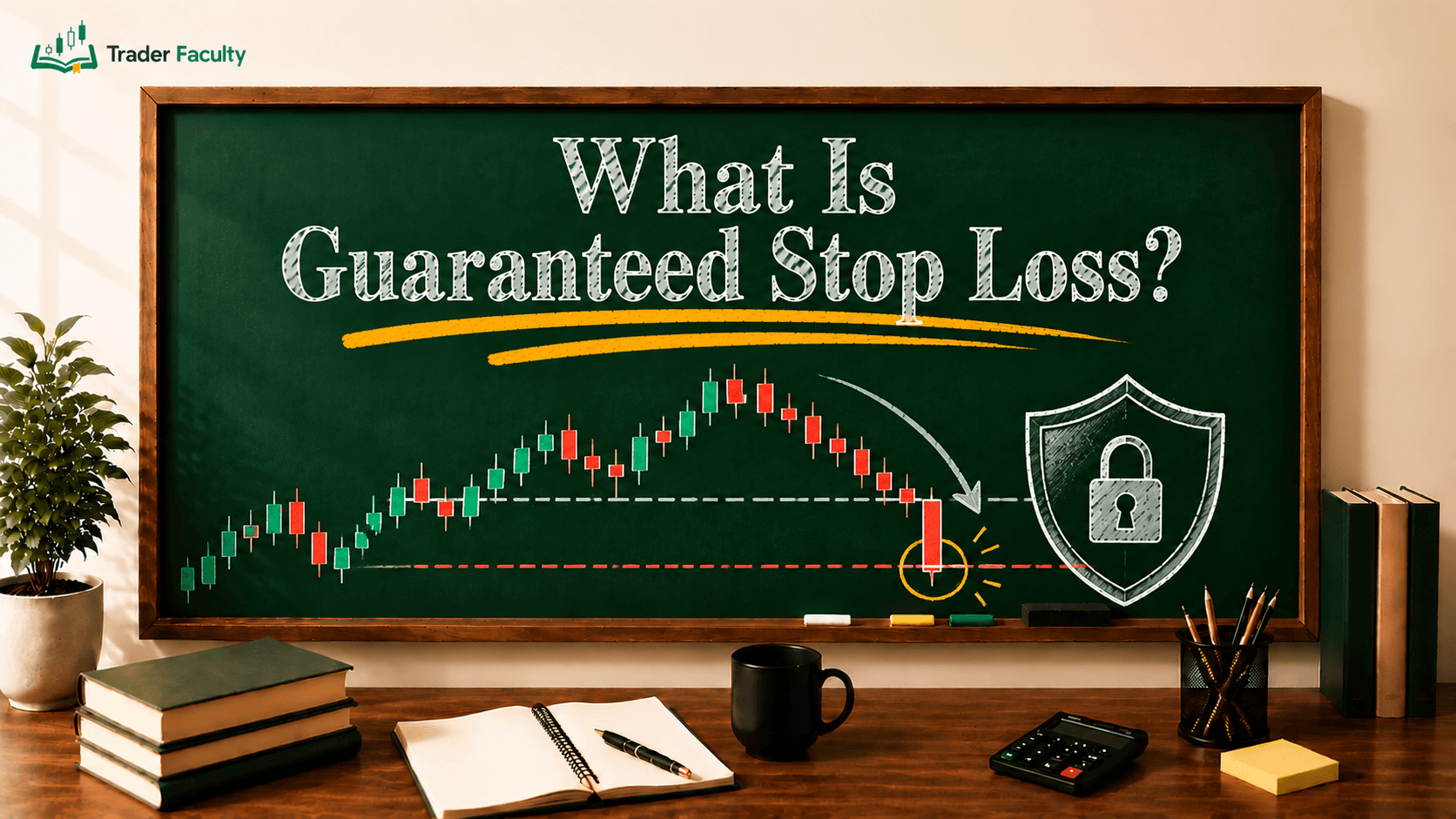
A stop-loss does not guarantee execution at an exact price in highly volatile or illiquid environments. During major news events or weekend market gaps, the price can bypass your stop entirely, executing at the next available market price. Without accounting for these execution gaps, analyzing what risk reward ratio modeling becomes highly inaccurate. This slippage means your realized loss can easily exceed your planned position size risk boundaries.
The Emotional Override
Psychological traps frequently cause traders to abandon their mathematical sizing rules entirely. Following a winning streak, overconfidence often triggers the urge to scale up sizes too aggressively. Conversely, experiencing a series of losses can lead to revenge trading, where a trader bloats their position sizes to recoup losses quickly.
Conclusion
Position sizing acts as the operational shield that keeps you in the game long enough for your trading edge to play out. By separating your total position volume from your actual dollar risk, you gain precise control over your capital preservation. Remember that mathematical formulas are only as reliable as market liquidity allows, making it essential to budget for potential slippage and execution gaps. Focus on mastering these baseline calculations across your preferred assets to build a sustainable operational framework.
Frequently Asked Questions
Why is position sizing more important than entry price?
Entry price only determines where a trade begins, but position sizing determines how much money you win or lose per price tick. Without correct sizing, even a high-win-rate strategy can lead to total account ruin if a few losing trades are disproportionately large. Proper sizing ensures no single trade inflicts critical capital damage.
What is a safe position risk percentage for beginner traders?
Financial education models generally recommend risking between 1% and 2% of your total account equity on any individual trade setup. This means if you have a $5,000 account, your maximum dollar loss on a single trade should never exceed $50 to $100, allowing your account to survive inevitable losing streaks.
Can a stop-loss completely protect your position size risk?
No, a standard stop-loss does not offer absolute protection during extreme market conditions. In fast-moving markets, low liquidity environments, or unexpected weekend price gaps, slippage can occur. This causes your order to execute at a worse price than planned, meaning your actual financial loss may exceed your calculated risk size.
How does leverage affect position sizing in trading?
Leverage increases your purchasing power by allowing you to control a large nominal position size with a smaller margin deposit. However, leverage does not change your universal position sizing formula. Your total position volume must still be dictated by your stop-loss distance and total dollar risk, rather than your maximum available leverage.
What is the difference between position size and trade risk?
Position size is the total nominal volume or quantity of units you control in a trade, such as 100 shares of a stock. Trade risk is the actual dollar amount you stand to lose out of your account balance if the market moves against you and hits your technical stop-loss level.
Keep learning
Risk & Money Management
One good article won't save your account. A risk framework will.
7 lessons quiz
Start the courseThe Trader Faculty Team writes and reviews every guide together — pairing hands-on market experience with a curriculum-first approach to trading education. One good syllabus, taught in the order that makes you better.