What Is Hedging in Trading? A Risk Management Guide
Learn what hedging in trading means and how defensive positions protect your portfolio. Read the full guide.
By Trader Faculty Team
Direct Answer
Hedging in trading is a risk management strategy where a trader opens an opposing position in a related asset or derivative to offset potential losses in an existing holding. By balancing potential price drops against secondary gains, hedging acts as portfolio insurance during periods of market uncertainty. While it limits downside risk, it also involves costs such as option premiums, spread fees, and capped profit potential.
Hedging in trading is a risk management strategy where you open an opposing position to offset potential financial losses in an existing market position.
Imagine holding a stock position during a period of sudden market instability. Instead of selling your assets and paying extra trading fees or triggering taxes, you can open a temporary trade to balance your exposure.
This guide breaks down what hedging in trading means, how defensive instruments work, key execution costs, and how to protect your portfolio without making critical mistakes.
Quick Takeaways
- Hedging acts as financial insurance by placing a secondary trade that offsets potential downside in a primary asset.
- Defensive trades balance potential loss against profit potential, meaning protection almost always reduces overall account returns.
- Traders use protective options, futures contracts, CFDs, and inverse instruments to build defensive hedges.
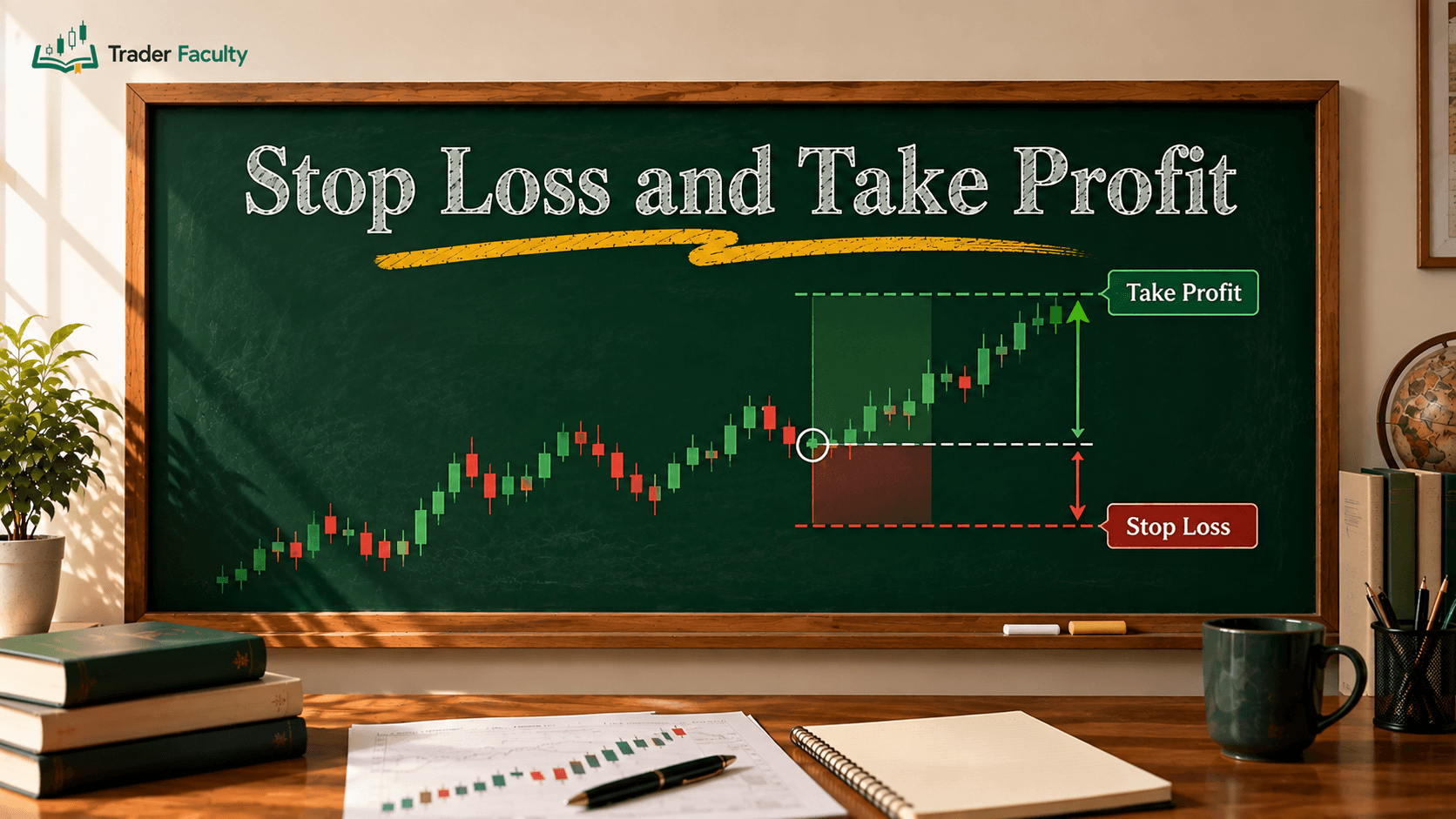
- A stop-loss order closes a losing position directly, whereas a hedge keeps the original position open while adding an opposing trade.
What Is Hedging in Trading? Core Concept and Meaning
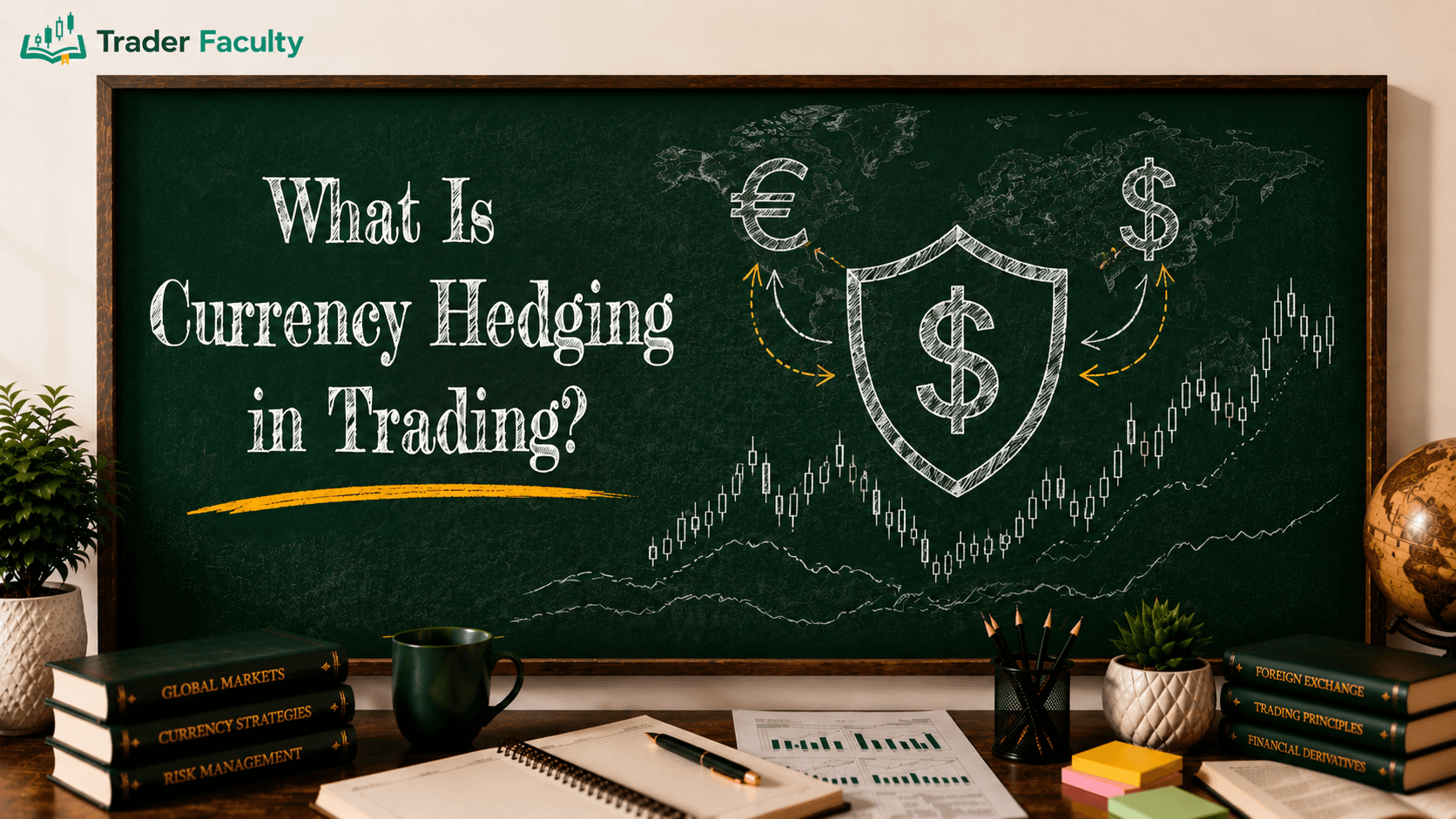
Hedging in trading means placing a secondary financial trade designed to reduce the risk of adverse price movements in an existing position.
When exploring the hedging meaning in financial markets, it helps to think of an insurance policy for your money. When you buy home insurance, you pay a set fee to protect your property against rare but severe damage. You don't buy home insurance to turn a profit. You buy it so that if a disaster occurs, your financial loss stays small and manageable.
Hedging works under the exact same logic. In trading, you open a secondary position that is expected to gain value if your primary position loses value. If the market falls, the profit from your secondary trade offsets the loss on your main asset. If the market rises, your main asset makes money, but that gain is partly reduced by the cost of holding the secondary trade.
The key distinction between speculation and hedging comes down to intent:
- Speculation: Opening a position to profit from directional price movements.
- Hedging: Opening a position to limit price risk on an existing trade.
Hedging isn't a profit generator. It is a defensive strategy designed to stabilize portfolio value during high volatility.
How Hedging Works in Trading: Mechanics and Execution
Hedging works by taking a secondary position that moves in the opposite direction of your main investment, balancing potential gains and losses.
To execute a hedge, a trader pairs two positions whose price movements balance each other out. This can be done through direct matching or by using derivative contracts.
Direct Hedging vs. Cross-Hedging
- Direct Hedging: You open a position that moves directly against your primary asset. For example, if you hold 100 shares of Company A, you open a short position on 100 shares of Company A. (Note: Some retail brokers or regulatory regions restrict holding simultaneous long and short positions on the exact same instrument).
- Cross-Hedging: You open a secondary trade in a related asset that historically moves in tandem with your primary asset. For example, if you hold a collection of technology stocks, you might trade an index contract that tracks the broader tech market.
Popular Hedging Instruments
Traders use several derivative tools to build defensive positions:
- Options Contracts: A protective put option — an option contract that gives you the right to sell an asset at a set price — lets you lock in a minimum sale price for an asset while keeping full upside potential. You pay an upfront option premium for this right.
- Futures Contracts: Futures allow institutional investors and traders to lock in buy or sell prices for commodities, currencies, or equity indexes months in advance.
- Contracts for Difference (CFDs): Retail traders often use CFDs to short an asset temporarily without selling their underlying long-term holdings.
Direct Hedges vs. Protective Options vs. Stop-Loss Orders

A direct hedge holds opposing market positions, a protective option sets a downside floor for a set fee, and a stop-loss order exits the trade entirely when price reaches a set limit.
Traders often confuse hedging with setting stop-loss orders. While both methods aim to limit risk, they function differently in practice.
A stop-loss order is an instruction to close your original trade once price hits a predetermined level. Once hit, you leave the market and hold cash. Hedging, by contrast, keeps your main position open while introducing a secondary position to balance price action.
| Strategy Feature | Direct Hedge | Protective Put Option | Stop-Loss Order |
|---|---|---|---|
| Primary Action | Opens opposing short trade | Buys a downside put option | Exits the position at target limit |
| Upfront Fee | Spread and overnight financing | Option premium fee | Zero upfront fee |
| Downside Protection | Full offset (net flat) | Full protection below strike | Subject to slippage or market gaps |
| Upside Potential | Capped completely | Uncapped (minus option fee) | Full upside if price recovers above exit |
| Execution Complexity | Moderate to High | High | Low |
Using stop-loss orders is usually the simplest approach for retail accounts. Managing multiple positions requires disciplined money management to prevent account margin stress.
The True Cost of Hedging: Drag, Basis Risk, and Commodity Risk Management
The true cost of hedging includes payment fees, spread costs, interest charges, and the loss of potential profits if the market moves in your favor.
Hedging is never free. Every defensive position incurs costs that drag on your overall portfolio performance. Understanding these trade-offs prevents traders from over-protecting their accounts into net losses.
Performance Drag and Financing Fees
When you hold two opposing trades, you pay bid-ask spreads on both orders. Additionally, holding derivative contracts overnight incurs swap fees — the interest charged for keeping a position open past the trading day — or option premiums. Over weeks or months, these fees build up and reduce net gains.
Basis Risk Explained
In cross-hedging, your secondary trade may not move in exact sync with your main asset. This breakdown in correlation is called basis risk. If you hedge a specific stock using a general market index, company-specific news could cause your stock to drop while the index stays flat, leaving you exposed to losses on both positions.
According to regulatory guidance from the CFTC Education Center, derivative contracts allow market participants to transfer price risk to willing counterparties, but users must manage basis risk and execution costs carefully.
Commodity Risk Management Applications
Commercial businesses depend heavily on commodity risk management to secure steady operating costs. For example, an airline company buys jet fuel futures months in advance to protect against oil price spikes. If fuel prices jump, the gain on their futures trade balances the higher fuel costs at the pump. Retail traders use similar mechanics when trading gold, crude oil, or agricultural markets to shield their accounts during economic announcements.
Common Mistakes Beginners Make When Hedging
Beginners often fail at hedging by assuming defensive trades eliminate all loss or by ignoring ongoing execution fees.
Avoid these three frequent pitfalls when adding defensive positions to your account:
- Expecting Risk-Free Profits: Hedging is designed to limit downside risk, not generate guaranteed returns. Expecting defensive positions to generate extra account gains usually leads to poor position sizing.
- Leaving Hedges Open Indefinitely: Holding opposing trades long after market volatility settles drains your balance through daily swap fees and financing costs. Always set a clear exit condition for your defensive trades.
- Ignoring Total Net Exposure: Opening multiple secondary trades across related markets can clutter your account interface. Without tracking your net position size, you may accidentally double your market exposure instead of reducing it.
Conclusion
Understanding hedging in trading gives you a strategic tool to defend capital when markets turn volatile. Rather than panic-selling core positions during temporary downturns, hedging allows you to balance portfolio exposure using options, futures, or short positions.
Remember that downside protection comes at a price. Option fees, financing charges, and capped profits mean hedging should be used deliberately rather than as an everyday habit. Combining defensive tools with a structured framework for risk management in trading helps keep your account balanced through all market cycles.
Frequently Asked Questions
What is the main purpose of hedging in trading?
The main purpose of hedging is to protect an existing investment against adverse market movements. Rather than selling an asset and incurring transaction costs or tax events, a trader places a secondary trade to offset potential losses.
Is hedging in trading risk-free?
No, hedging is not risk-free. While it offsets downside losses, holding secondary trades incurs spread costs, overnight financing fees, or option premiums. It also caps your potential profits if the market moves in your favor.
What is the difference between a stop loss and a hedge?
A stop-loss order automatically closes your primary trade when the price reaches a specified limit, moving your position to cash. Hedging keeps your original trade open while introducing a secondary, opposing trade to balance price exposure.
What instruments are commonly used for hedging?
Traders commonly use derivative instruments such as options contracts (protective puts), futures contracts, Contracts for Difference (CFDs), or inverse exchange-traded funds (ETFs) to hedge market exposure.
How does commodity risk management use hedging?
Commercial businesses use commodity risk management to lock in purchase or sale prices for raw materials like fuel or metals via futures contracts. This protects operating margins against sudden market price spikes.
The Trader Faculty Team writes and reviews every guide together — pairing hands-on market experience with a curriculum-first approach to trading education. One good syllabus, taught in the order that makes you better.