Best Day Trading Platforms for 2026: Compare DMA & Speed
Discover the best day trading platforms for 2026. Compare low-latency execution, DMA routing, and hotkeys. Read the full guide.
By Trader Faculty Team
Direct Answer
A day trading platform is specialized software that provides active traders with real-time market data, Level II depth, technical charting, and low-latency order execution. Active software connects to your broker's execution engine to process intraday orders. Choosing the right platform depends on matching execution models (Direct Market Access, or DMA, vs. Payment for Order Flow, or PFOF), charting capabilities, and fee structures to your specific trading strategy.
A day trading platform is a specialized software application provided by brokers or technology developers that allows active market participants to analyze financial instruments and execute intraday orders in real time.
Many active traders struggle because they choose complex software before understanding execution speed, order routing, or data costs. Selecting software without matching it to your strategy can lead to execution delays, unexpected data fees, and poor order fills. This guide explains how trading software works, key features to evaluate, and how to select the right platform for your strategy.
Quick Takeaways
- Active trading platforms offer real-time Level II market depth, custom hotkeys (keyboard shortcuts for placing orders), and direct market routing that standard mobile investment apps do not provide.
- Direct Market Access (DMA) software routes orders directly to public exchanges, while Payment for Order Flow (PFOF) routes orders through private market makers.
- High-speed trading software cannot remove market gap risk or slippage during periods of high price volatility.
- Software evaluation should focus on order execution options, charting indicators, and data reliability rather than visual appearance.
What Is a Day Trading Platform and How Does It Work?
If you're searching for the best day trading platforms meaning, think of software built specifically for fast intraday trading. Standard long-term investment portals focus on portfolio tracking and simple buy orders. In contrast, active software gives you low-latency order execution (very fast order processing), real-time data streams, and customizable technical analysis tools.
The software acts as the primary bridge between the trader and the financial markets. It consists of four core structural components:
- Order Execution Engine: The underlying routing system that sends buy and sell orders to market venues.
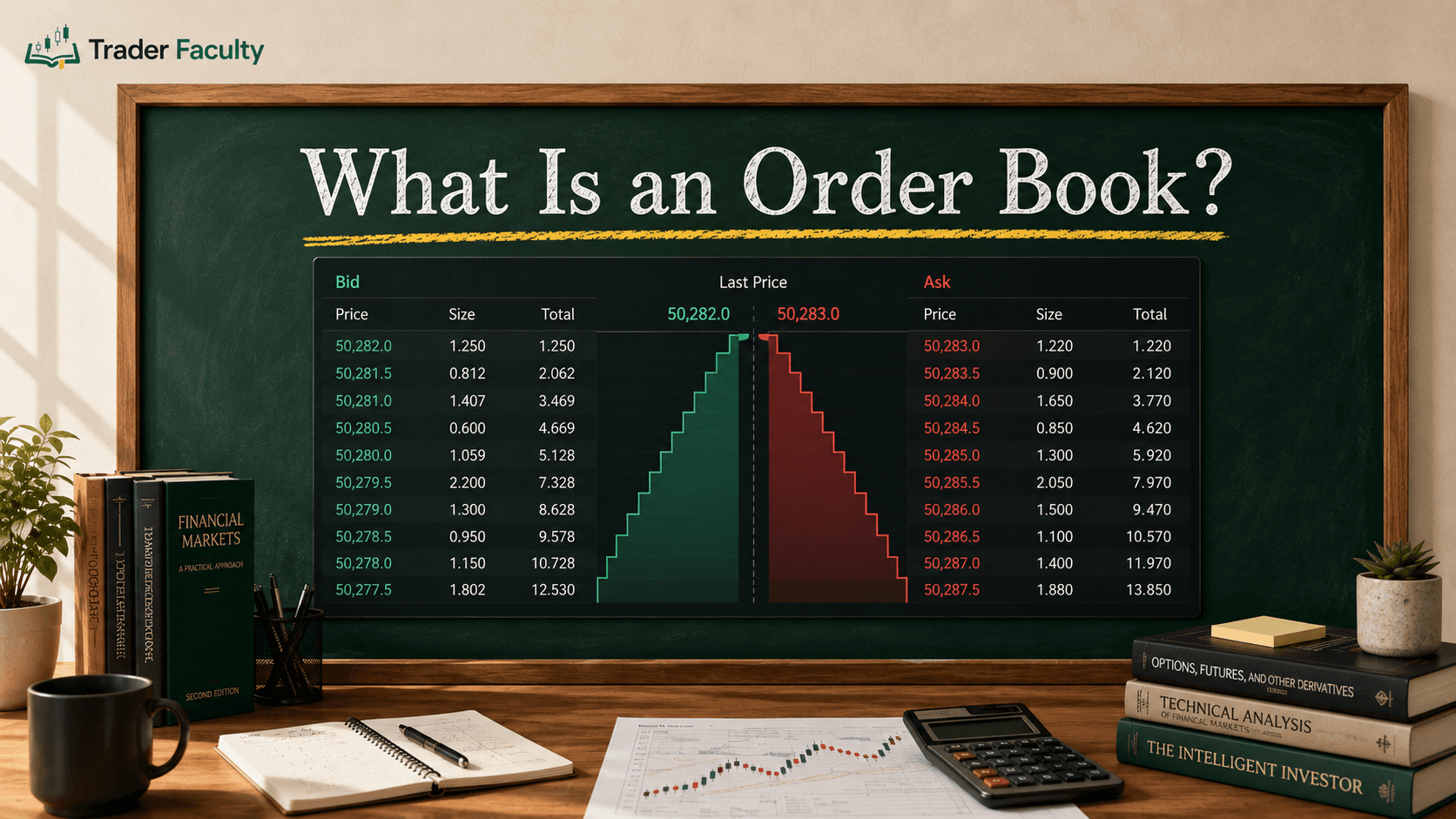
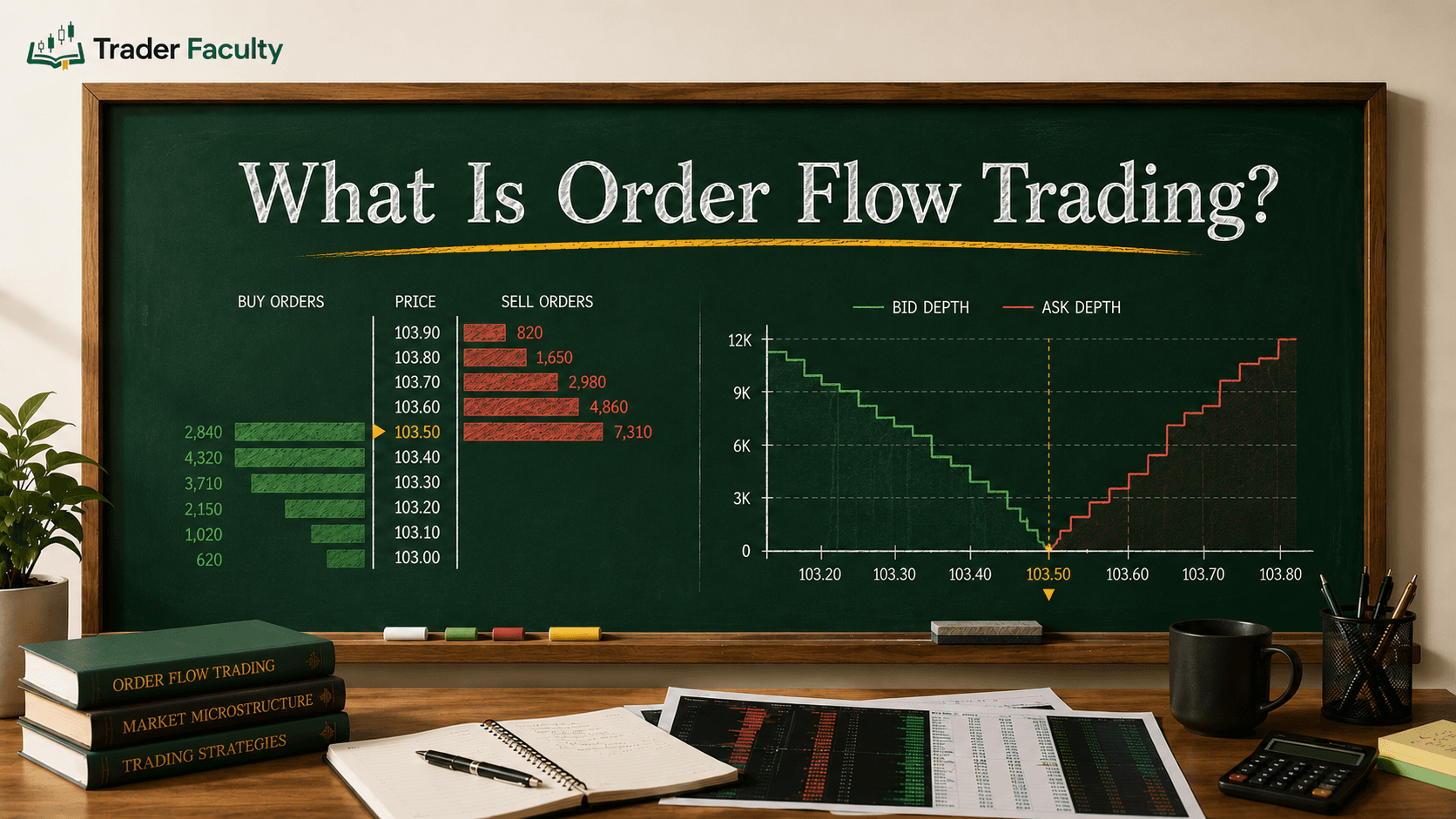
- Real-Time Data Feed: The network stream delivering live price quotes, trade prints (records of completed trades), and Level II Depth of Market (DOM) data, which shows the buy and sell orders waiting at different price levels.
- Technical Charting Suite: Visual charting windows equipped with technical indicators, drawing tools, and multi-timeframe displays.
- Application Programming Interface (API): System protocols that allow custom scripting, automated strategy execution, and third-party software integration.
Understanding these mechanics helps you judge tools by system performance rather than marketing claims.
How Active Software Works: DMA vs. Retail Order Routing
To see how active software works, you need to look at order routing pathways. How your broker handles your orders has a big effect on software performance.
Direct Market Access (DMA)
Direct Market Access platforms allow traders to select specific execution venues, such as public stock exchanges or Electronic Communication Networks (ECNs). Using an ECN broker or DMA platform provides full transparency into market depth and liquidity. Active traders who rely on rapid entry and exit strategies often prefer DMA software because it reduces order latency and provides control over order queue positioning (your place in line when orders wait at a price).
Payment for Order Flow (PFOF)
Many retail brokers offer zero-commission trading by routing customer orders to internal market makers rather than public exchanges. This process is known as Payment for Order Flow. While PFOF eliminates explicit commission charges, it can result in slower execution speeds or wider bid-ask spreads (the gap between the buying and selling price) during fast market conditions.
The table below outlines how execution models generally compare across key operational metrics, though results vary by broker:
| Execution Feature | Direct Market Access (DMA) | Payment for Order Flow (PFOF) |
|---|---|---|
| Order Routing | Direct to exchanges & ECNs | Routed to private market makers |
| Fee Structure | Per-share commission + routing fees | Zero explicit commission |
| Execution Speed | High speed / low latency | Variable latency |
| Level II Transparency | Full market depth access | Limited or summarized depth |
Until 2026, the pattern day trader (PDT) rule required traders designated as pattern day traders to hold at least $25,000 in account equity. According to FINRA, that rule is being replaced by intraday margin requirements, effective June 4, 2026, with a transition period through October 20, 2027. Under the new approach, there's no $25,000 minimum or PDT label based on trade counts, because your firm monitors your equity during the day relative to your open positions. Your broker may still apply the old rules during the transition, so check which ones apply to your account.
Margin adds leverage, which can magnify losses as well as gains. FINRA notes that frequent trading on margin remains a high-risk activity, and you need at least $2,000 in equity to trade on margin at all.
Execution speed alone cannot prevent trade slippage — that is, the difference between your expected execution price and the actual fill price. During volatile news announcements, liquidity (how easily you can trade) can drop rapidly, causing market orders to fill at prices far away from your intended entry point.
Comparison Matrix: Top Day Trading Software Categories
The table below compares core day trading software categories across routing speed, hotkey support, and account requirements, helping you match direct market access platforms with hotkeys and other features to your specific trading style. These are general patterns that vary by broker and product.
| Software Category | Core Focus | Routing Latency | Hotkey Support | DMA Available | Equity Requirement |
|---|---|---|---|---|---|
| Direct-Access Trading Platforms | High-frequency stock & option scalping (very short-term trades) | Ultra-low (millisecond) | Advanced custom hotkeys | Yes (direct exchange/ECN) | Set by your firm (intraday margin rules) |
| Broker-Integrated Desktop Suites | Momentum & intraday equity trading | Low to moderate | Standard hotkeys | Select brokers only | Set by your firm (intraday margin rules) |
| Multi-Asset Web & Mobile Apps | Forex, CFD & swing trading | Variable / moderate | Basic / single-click | Rarely (PFOF/market maker) | Varies by asset class |
| Charting & Analytics Platforms | Technical analysis & automated bots | N/A (third-party routing) | Scriptable hotkeys | Via broker API | Varies by connected broker |
What Essential Features Should Active Day Traders Look For?
When you're selecting trading software, compare its technical capabilities with what you actually need.
Advanced Order Types
Basic market and limit orders are often insufficient for fast intraday trading. Look for platforms that support advanced bracket orders (orders that attach a profit target and a stop-loss), including:
- Stop-Limit Orders: Orders that set a specific price boundary for stop-loss execution.
- Trailing Stops: Dynamic stop-loss orders that follow favorable price movements by a set distance.
- One-Cancels-the-Other (OCO): Linked order pairs where the execution of one order automatically cancels the other.
- Fill or Kill Orders: When executing large intraday lots, applying a fill or kill order ensures your entire order fills immediately or cancels entirely to prevent partial fill slippage.
Charting and Indicators
A trading interface should allow multi-timeframe analysis, custom indicator overlays, and clean graphical rendering. Key technical indicators such as Moving Averages, Relative Strength Index (RSI), and Volume Weighted Average Price (VWAP) should load without visual lag.
Real-Time Market Scanners
Active traders rely on market screeners to identify stocks or assets making unexpected price moves. Real-time scanners filter assets based on volume spikes, price breakout levels, gap percentages, and volatility metrics.
Paper Trading Engine
A paper trading simulator allows you to test platform mechanics using simulated capital. Testing order routing, hotkey setups, and stop-loss placement in a simulated environment helps prevent operational mistakes when switching to live execution.
How Do You Choose the Best Day Trading Platform for Your Strategy?

Here's a practical best day trading platforms example: platform choices differ based on trading style and asset focus. No single software setup serves all active strategies equally well.
| Platform Category | Strategy Alignment | Technical Focus | Cost Structure |
|---|---|---|---|
| Direct-Access Platforms | Scalping & intraday stock trading | Low-latency order routing & Level II depth | Per-share commissions + market data fees |
| Technical Analysis Suites | Swing trading & strategy backtesting | Advanced charting & custom indicators | Monthly software platform subscription |
| Multi-Asset Brokerage Apps | Multi-asset & forex trading | Integrated desktop & mobile access | Spread markup + overnight swap fees |
Asset selection also influences software selection. Equity day traders require Level II stock order books and exchange routing choices. By contrast, if you trade currency pairs, evaluating dedicated forex trading apps is essential because foreign exchange markets operate through decentralized liquidity networks rather than centralized stock exchanges. Adhering to strict forex broker selection criteria helps ensure clean execution without unexpected spread widenings.
What Common Mistakes Should You Avoid When Selecting Software?
Beginners often make avoidable mistakes when selecting active trading software:
- Choosing Design Over Execution: Selecting software based on polished visual interfaces rather than execution stability, order fill quality, and system uptime.
- Overpaying for Unused Data: Subscribing to institutional level data feeds and premium depth tools before mastering basic execution skills.
- Ignoring Platform Fees: Failing to factor in monthly platform access fees, exchange routing charges, and short-locate costs (fees to borrow shares for short selling) when calculating trading expenses.
- Expecting Software to Eliminate Risk: Believing that high-speed software removes the market risks associated with price gaps and slippage.
Conclusion
With the best day trading platforms explained above, the takeaway is simple: choose the one that matches your execution speed needs, asset focus, and budget. Prioritize reliable order routing, stable charting performance, and risk management tools over complex graphic layouts.
Before committing real capital, test any software using a paper trading account to master order execution hotkeys and risk settings.
Selecting software is just one part of building an active market workstation. To evaluate charting suites, market screeners, and execution hardware together, explore our full guide on trading tools. Trading always carries the risk of losing money, so treat platform selection as a technical setup choice rather than a guarantee of trading success.
Frequently Asked Questions
What is the difference between direct market access (DMA) and payment for order flow (PFOF)?
Direct Market Access (DMA) routes orders directly to public exchanges and ECNs, allowing traders to choose execution venues for lower latency. Payment for Order Flow (PFOF) routes retail orders to internal market makers in exchange for zero-commission trading, which can lead to variable fill speeds and wider spreads during high volatility.
What software do professional day traders use for technical analysis?
Professional traders use dedicated active trading suites that offer real-time Level II market depth, low-latency execution engines, customizable hotkeys, dynamic market screeners, and backtesting capabilities (testing a strategy on past data) tailored to their specific strategy.
How much capital is required to start using a day trading platform for US stocks?
It depends on your broker. FINRA's pattern day trader rule used to require $25,000 in equity, but FINRA is replacing it with intraday margin requirements, effective June 4, 2026, with firms allowed to transition through October 20, 2027. Under the new rules there's no $25,000 minimum, but you'll need at least $2,000 in equity to trade on margin, and your broker may set higher requirements.
Does high-speed trading software eliminate trade slippage?
No software eliminates trade slippage. Slippage occurs when market liquidity drops or price volatility surges, causing execution prices to differ from intended entry or exit levels regardless of software speed.
What are the key features to look for in active day trading software?
Key features include advanced order types (bracket, trailing stop, OCO), real-time Level II Depth of Market, multi-timeframe charting indicators, real-time volume scanners, and a risk-free paper trading engine.
Keep learning
Setting Up Your Trading Setup
Set up your broker, platform, and demo the right way.
8 lessons quiz
Set up your toolsThe Trader Faculty Team writes and reviews every guide together — pairing hands-on market experience with a curriculum-first approach to trading education. One good syllabus, taught in the order that makes you better.