What Is Paper Trading? A Beginner's Guide
Learn what paper trading is, how practice accounts simulate execution, and key milestones before trading. Read the full guide.
By Trader Faculty Team
Direct Answer
Paper trading is a simulated trading process where individuals practice buying and selling financial assets using virtual money in real-time or historical market environments. It allows beginners to learn platform navigation, test trade entry types, and evaluate strategy rules without risking actual financial capital.
Paper trading is the practice of buying and selling financial assets using virtual funds inside a simulated market environment that uses real-time or historical price feeds.
Many beginners face intense anxiety when placing early trades, often mis-clicking order types or taking oversized position risks due to platform confusion. Virtual simulation provides a risk-free environment to build software operational skills before financial capital is deployed. This guide covers how paper trading works, its main practical benefits, critical execution gaps compared to live markets, and concrete metric milestones for transitioning safely.
Quick Takeaways
- Paper trading uses simulated capital in real-time market environments to practice order execution without financial loss.
- Learning platform layout, testing order types, and recording strategy performance represent primary practical applications.
- Virtual matching engines often grant instant order fills without accounting for live order book depth or execution slippage.
- Transitioning from demo accounts to live trading requires meeting measurable discipline and rule-compliance milestones.
What Is Paper Trading?
Paper trading is a simulated trading process where you practice buying and selling financial instruments using virtual money instead of real capital. The term originates from the historical practice of speculative traders physically writing down trade entries, exits, and portfolio balances on paper to test strategies before electronic markets existed. Modern paper trading relies on software practice accounts that stream real-time price feeds, allowing you to test market controls without monetary risk.
A practice account provides a simulated account balance—such as $10,000 or $100,000 in virtual funds—that updates dynamically as prices move. The main goal of paper trading is not to accumulate virtual profits, but to create a safe testing ground for learning software buttons, setting risk parameters, and checking strategy rules before committing actual funds.
How Paper Trading Works
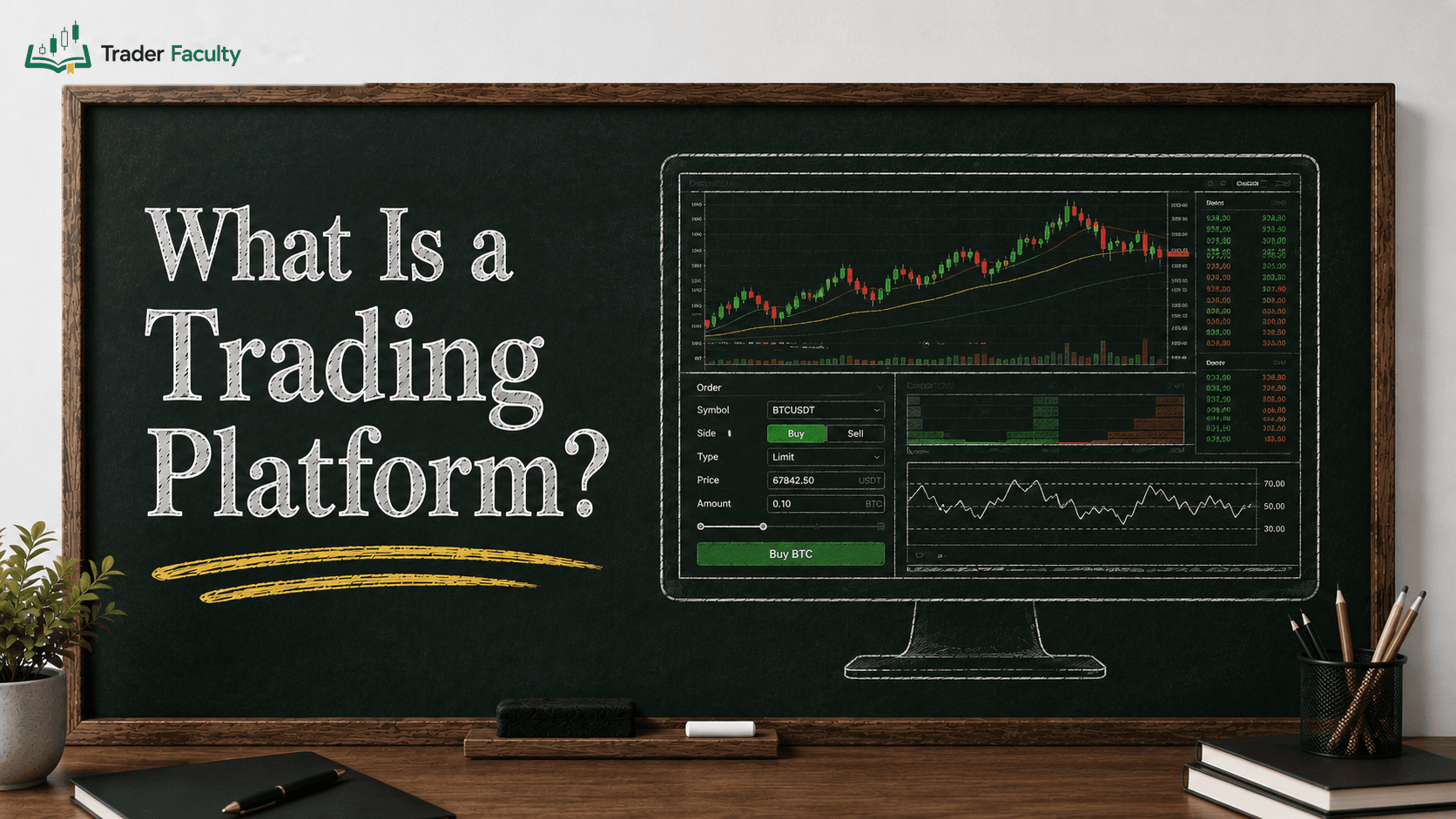
Paper trading works by connecting a virtual execution engine to live market data streams provided by exchanges or data vendors. When you submit a buy or sell request on a practice interface, the software processes the transaction inside a simulated portfolio database rather than routing the order to a financial exchange.
When using practice software, you interact with standard account mechanics:
- Order Placement: You can practice entering market orders (instant trades at current price), limit orders (trades set at specific prices), and stop-loss orders (automated exit instructions to limit losses).
- Simulated Execution Engines: The platform matches your virtual orders against live price feeds to execute your position entries and exits.
- Portfolio and Equity Tracking: The interface calculates unrealized profit and loss (floating returns on open trades), realized equity (final balance after closing positions), and margin usage (collateral held for open trades).
Key Benefits of Paper Trading
Paper trading serves as an essential software sandbox for developing basic operational skills before risking real money.
- Platform Controls: Practicing order entry helps you memorize keyboard shortcuts, chart drawing tools, and execution screens. Learning these interface steps on a practice account prevents costly execution errors, such as entering the wrong trade size or selecting a market order instead of a limit order.
- Strategy Testing: A virtual environment lets you forward-test trading rules across changing market conditions over weeks or months. You can log setup rules, record win-loss rates, and confirm whether a system holds a systematic edge without incurring drawdown costs.
- Asset Class Familiarization: Trading different markets like foreign exchange, equities, or futures involves distinct trading hours, tick values, and contract sizes. Paper trading lets you examine these structural mechanics safely across multiple asset types.
Paper Trading vs. Live Trading: Execution and Mindset Gaps

While paper trading provides valuable technical practice, simulated environments differ from live market execution in fundamental ways.
| Feature | Paper Trading (Demo Account) | Live Market Execution |
|---|---|---|
| Capital Risk | Virtual money ($0 financial loss) | Real financial capital at risk |
| Order Fills | Instant fills at requested price | Dependent on market liquidity and order book depth |
| Fill Latency | Near-zero software delay | Real server-to-exchange network routing delays |
| Emotional Pressure | Zero financial stress | Stress, fear of loss, and emotional discipline tests |
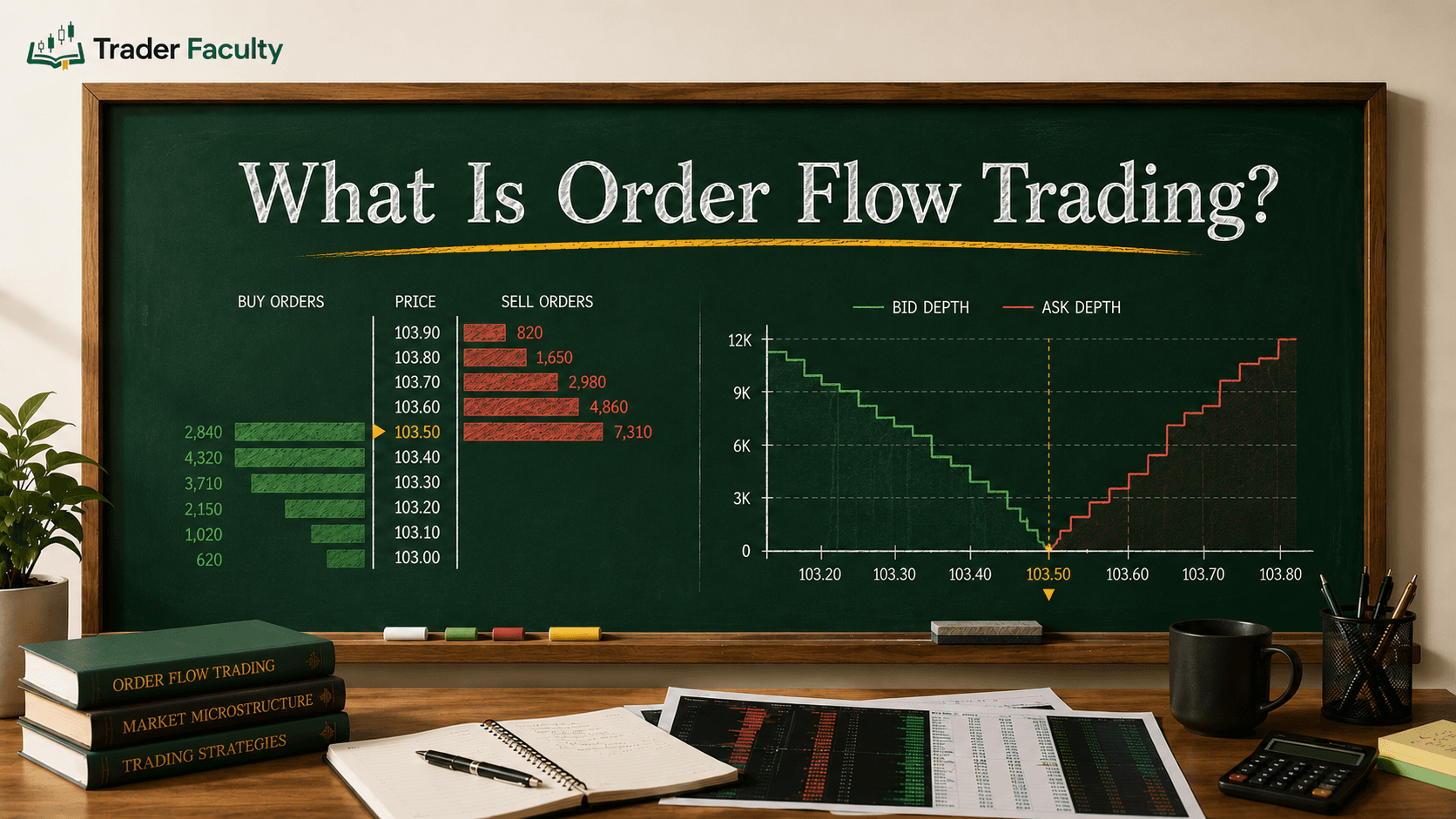
The structural difference centers on market liquidity and execution handling. In live markets, your order must match against real buy or sell orders within an order book—the electronic ledger displaying aggregated limit orders at various price levels. Virtual matching engines frequently fill practice limit orders immediately when price touches a level, regardless of whether sufficient market depth exists to absorb the trade size.
Furthermore, simulated practice servers standardly omit execution slippage—the difference between expected entry price and actual execution price—which occurs during volatile market events like economic news announcements. While virtual practice accounts help beginners master basic platform functionality, simulated order execution does not fully duplicate live market conditions.
The largest gap remains psychological. Trading virtual funds creates zero financial exposure. When actual money is at risk, emotional responses like fear and greed introduce hesitation, leading traders to move stop-loss levels mid-trade or close winning trades prematurely. Demo performance does not guarantee live profitability because practice accounts cannot replicate emotional capital stress.
Metric-Based Milestones Before Going Live
Rather than relying on arbitrary time limits like paper trading for three months, evaluate your live readiness using concrete quantitative metrics.
- Zero Execution Errors: Complete at least 30 consecutive virtual trades without mis-clicking an order type, entering an incorrect position size, or misplacing a stop-loss level.
- Rule Compliance Rate: Maintain 100% adherence to your written strategy rules across a minimum sample of 50 trades, ensuring every entry includes a predefined exit plan before placement.
- Risk Consistency: Keep your risk per trade capped at a fixed account percentage (such as 1% per trade) across all positions without inflating lot sizes to chase losses.
Common Paper Trading Pitfalls
Beginners frequently form counterproductive habits in practice environments that lead to swift drawdowns when transitioning to live markets.
- Unrealistic Account Sizing: Testing strategies with a massive virtual balance creates false confidence regarding position sizing and drawdowns.
- Frequent Account Resets: Wiping a lost virtual balance and opening a new demo account prevents you from analyzing trade mistakes and correcting risk flaws.
- Careless Risk Management: Ignoring stop-loss rules because practice losses carry no monetary consequence establishes reckless execution habits for live accounts.
Conclusion
Paper trading is a necessary learning step that allows you to master platform tools, test execution steps, and verify strategy rules without financial risk. However, practice trading is a software sandbox rather than a complete simulation of live emotional discipline. To build an effective routine, combine practice execution with clear chart layouts and reliable trading tools before deploying capital.
Trading always carries the risk of losing money, so treat virtual practice as a practical stepping stone to build operational habits rather than a guarantee of future live performance.
Frequently Asked Questions
Is paper trading good for beginners?
Yes, paper trading allows beginners to familiarize themselves with software interfaces, practice placing market and limit orders, and test risk rules without risking real financial capital.
Can you make real money from paper trading?
No, paper trading uses virtual account balances and simulated execution environments. All gains and losses are virtual and cannot be converted into cash or withdrawn.
What is the main difference between paper trading and live trading?
The main difference is financial risk and psychological execution. Live trading involves actual capital loss, execution slippage, and emotional pressure, whereas paper trading offers instant virtual fills and zero financial risk.
Does paper trading accurately reflect real market conditions?
Paper trading reflects live price feeds, but simulated execution engines often grant instant order fills without accounting for real order book depth, market liquidity shortages, or execution slippage during high volatility.
How long should a beginner paper trade before going live?
Rather than following arbitrary time limits, beginners should transition when achieving concrete metric milestones, such as zero execution errors across 30 trades and 100% strategy rule compliance.
Keep learning
Setting Up Your Trading Setup
Set up your broker, platform, and demo the right way.
8 lessons quiz
Set up your toolsThe Trader Faculty Team writes and reviews every guide together — pairing hands-on market experience with a curriculum-first approach to trading education. One good syllabus, taught in the order that makes you better.