What Is a Demo Account? Paper Trading Basics Explained
Learn what a demo account is and how paper trading works in simulated market conditions. Read the full guide.
By Trader Faculty Team
Direct Answer
A demo account is a simulated trading environment funded with virtual money that mirrors real-time market price movements. It allows traders to practice entering orders, testing strategies, and navigating software features without risking real capital. While it provides realistic charting and price feeds, simulated execution engine fills do not fully replicate live market slippage or psychological stress.
A demo account is a simulated trading profile funded with virtual capital that mirrors real-time market price action. It lets you practice executing orders and testing strategies without risking a cent of real money.
Entering live financial markets without testing your trading platform is a common cause of avoidable beginner mistakes, such as miscalculating position size or clicking the wrong order type. Virtual accounts eliminate these technical risks during your learning phase. This guide explains how virtual accounts function, key operational differences compared to live trading, and how to use them effectively.
Quick Takeaways
- Demo accounts allow you to practice order execution and platform navigation using virtual funds in real-time market conditions.
- Simulated trading removes financial risk, but it cannot replicate live market slippage, latency, or real emotional pressure.
- Setting virtual account balances that match your planned live deposit helps build transferable risk management habits.
- Transitioning from paper trading to real capital requires adjusting to live execution speeds and psychological discipline.
What Is a Demo Account?
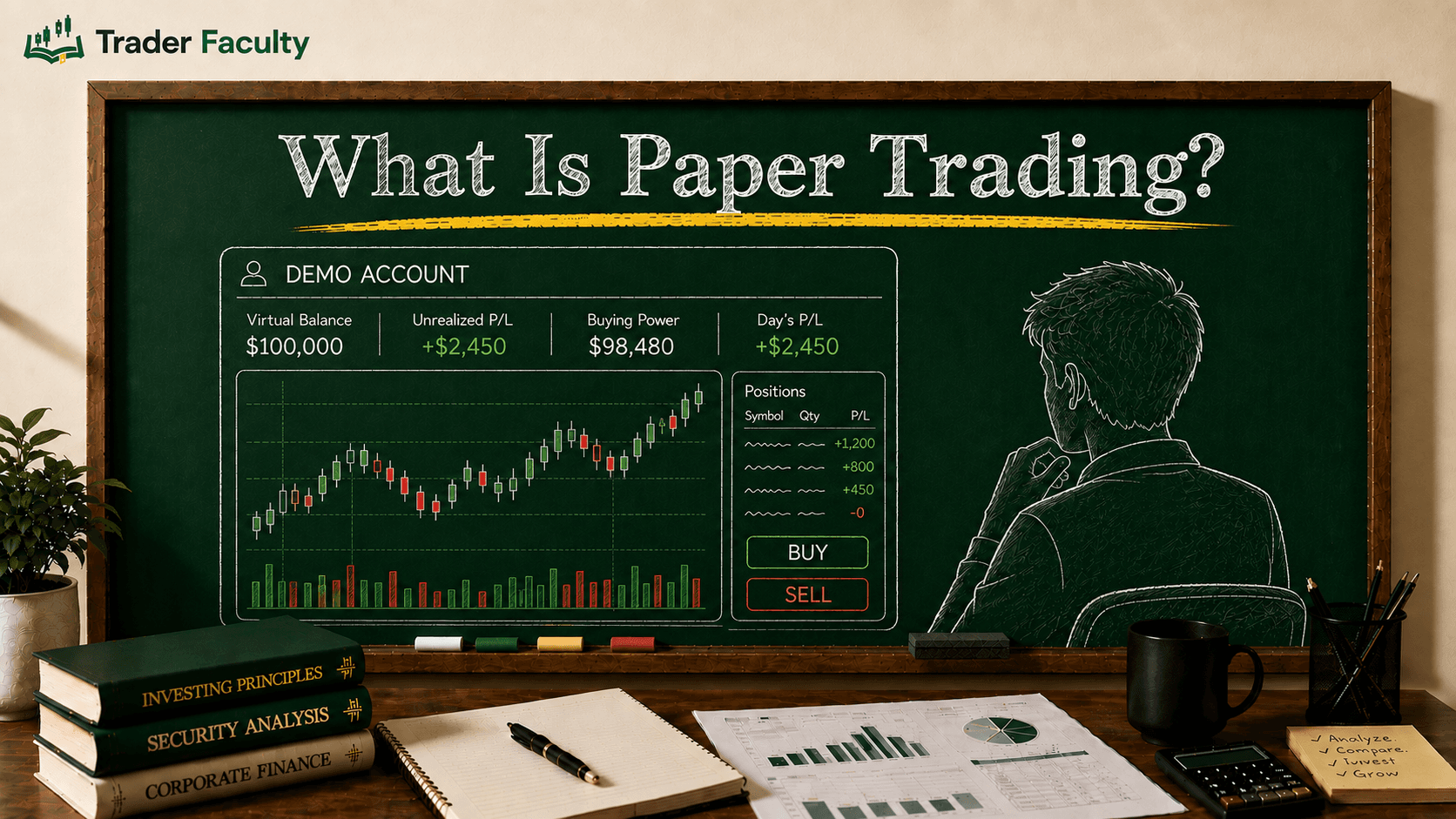
A demo account—frequently called a practice account—is a risk-free software environment that uses virtual funds instead of real money. When you open a practice account, the broker or platform provides a simulated balance, such as $10,000 or $50,000, which you can use to buy and sell financial assets in realistic conditions.
Modern practice setups represent the digital evolution of paper trading. Decades ago, aspiring traders manually recorded their trade entries, stop prices, and exit targets on physical sheets of paper to evaluate their performance over time. Digital trading platforms now automate this tracking process by pairing live price quotes with virtual account balances.
While paper trading originally required manual math to account for spread costs and trade outcomes, today's virtual accounts process simulated transactions instantly. This allows you to observe how account equity fluctuates as live market prices move.
How a Demo Account Works

Demo accounts work by connecting a simulated order-matching engine to live or slightly delayed market price feeds. The charting interface, technical indicators, and order windows look identical to those found on live trading accounts.
When you place an order in a virtual environment, you choose standard order parameters:
- Market orders: Executing a trade instantly at the current displayed price.
- Pending orders: Setting buy or sell triggers at specified price levels (limit and stop orders).
- Risk controls: Attaching stop-loss orders to limit losses and take-profit orders to capture gains.
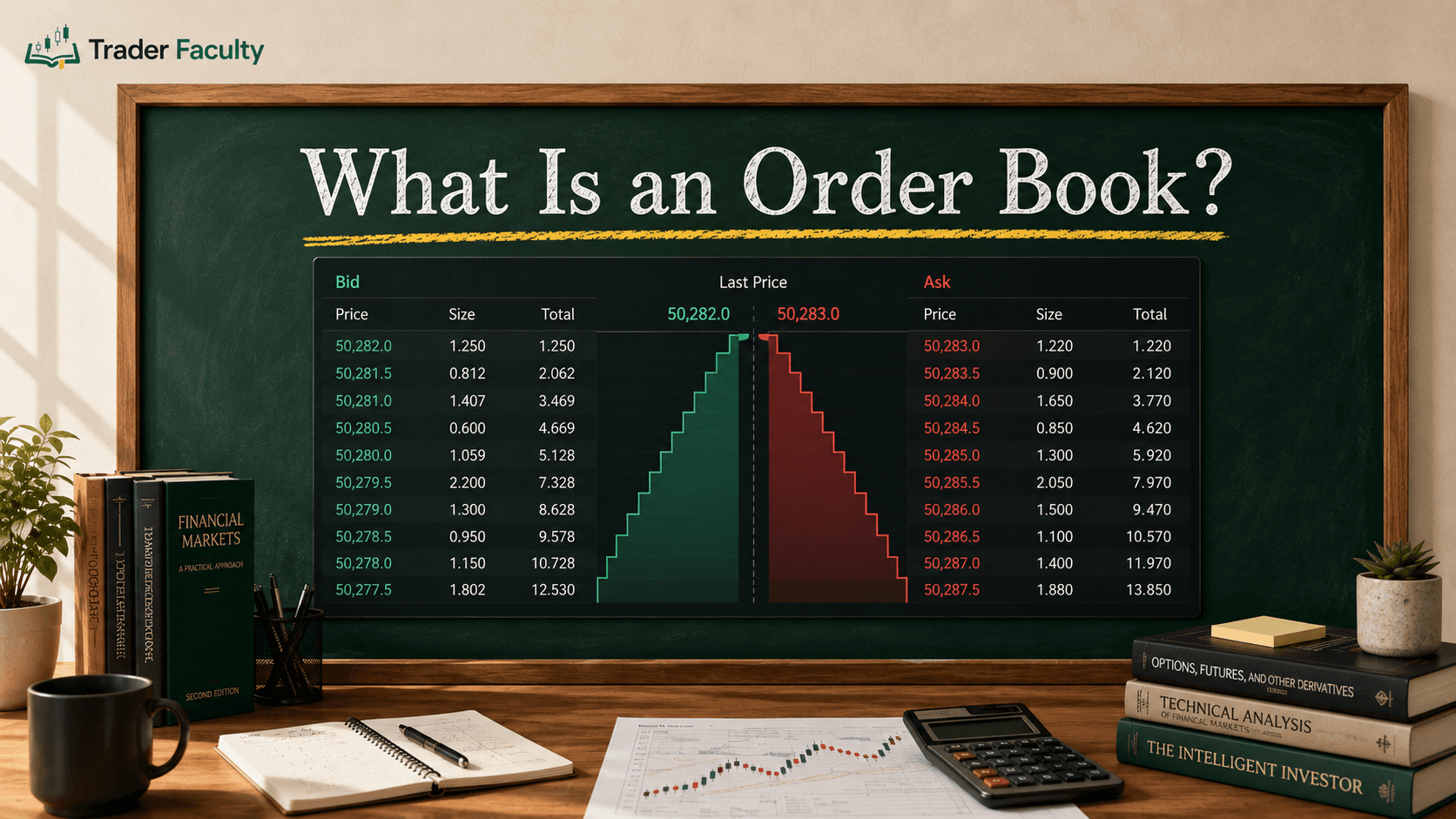
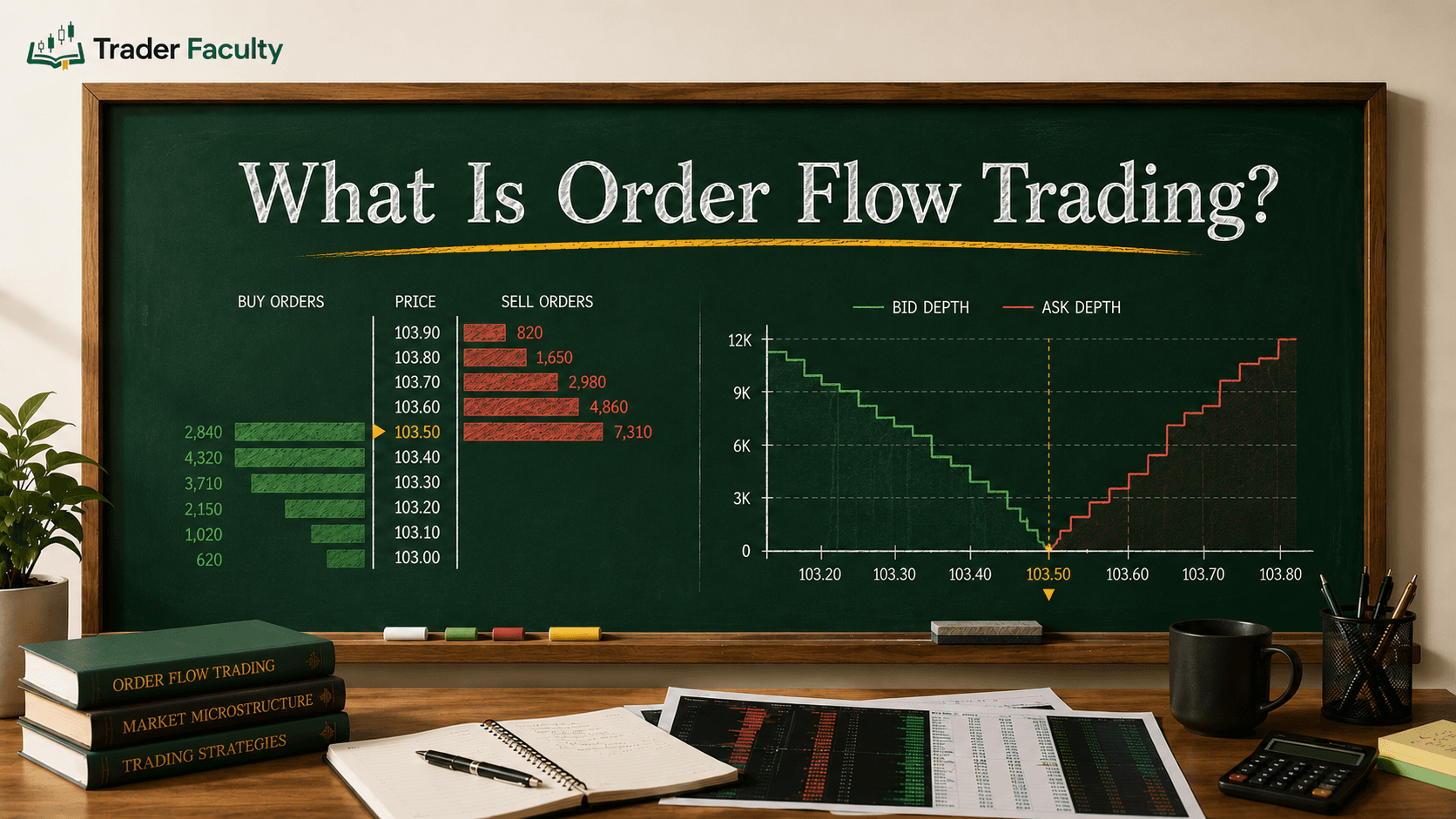
The primary technical difference lies in the order execution engine. On a live account, your broker routes your order to an exchange or liquidity provider where another trader must take the opposite side. On a demo account, the software fills your order internally at the displayed price without sending it to real-world order books.
Most platforms let you customize account parameters before starting. You can select your starting virtual balance, currency, and leverage settings—which is the ratio of virtual borrowed capital used to open larger position sizes.
Why Practice with a Demo Account?
Understanding what is a demo account and how it works is the first step before you commit any real capital to the markets. Practicing with a virtual setup provides a safe sandbox to master trading software and build consistent execution habits before committing real money.
Key benefits of virtual account practice include:
- Platform navigation: Learning how to adjust chart timeframes, draw trendlines, and configure custom watchlists.
- Execution mechanics: Gaining confidence in selecting position sizes—measured in lots, contract sizes, or share quantities—and setting protective stop orders.
- Software proficiency: Learning how to navigate MetaTrader 5 or similar execution platforms under fast market conditions.
- Rule discipline: Testing entry setups and tracking statistical win-loss patterns over multiple trades without monetary stress.
Demo Trading vs. Live Trading: Key Differences
While simulated trading profiles copy live market prices accurately, they cannot replicate every real-world trading condition. The main differences stem from order execution mechanics and trader psychology.
In a live trading environment, your orders interact with actual market depth. If market volatility rises or liquidity dries up, your order may experience slippage—the difference between the price you requested and the price where the order actually fills. In contrast, simulated platforms provide near-perfect order fills at the exact displayed price, which can create unrealistic expectations about execution speed.
The emotional gap is an even larger factor. Because virtual funds carry zero financial consequence, trading on demo accounts rarely triggers fear or greed. When real money is on the line, holding through drawdowns or closing losing trades becomes psychologically demanding.
According to educational guidelines published by the Financial Industry Regulatory Authority (FINRA), practicing on simulated platforms builds software familiarity, but traders must prepare for execution differences and emotional adjustments when transitioning to real accounts.
| Factor | Demo Account | Live Account |
|---|---|---|
| Capital Type | Virtual funds (zero risk) | Real money (capital at risk) |
| Order Execution | Instant simulated fills | Dependent on market liquidity and routing |
| Slippage & Gaps | Rarely simulated accurately | Common during high volatility and news events |
| Psychological Impact | Low stress, zero fear of loss | High emotional pressure and real stress |
| Purpose | Software practice & testing | Real market participation & return generation |
Common Demo Account Mistakes
Simulated environments are valuable training tools, but misusing them can create bad habits that carry over to live trading.
Common beginner errors include:
- Trading unrealistic account sizes: Practicing with a $100,000 virtual balance when you plan to open a $500 live account leads to incorrect risk calculations.
- Ignoring risk management rules: Taking oversized positions or moving stop-loss orders backward simply because losing virtual money does not hurt.
- Staying in demo mode indefinitely: Lingering in virtual practice for years out of fear can delay the essential process of learning to manage real market emotions.
- Switching to live capital too quickly: Moving to real money after only two or three winning virtual trades without establishing a consistent, repeatable plan.
Conclusion
Understanding what is a demo account helps you build platform confidence without exposing your capital to risk. Virtual practice setups provide an essential bridge between learning market concepts and trading live order books.
To get the most out of your practice sessions, treat virtual funds as if they were your own money. Set your starting balance to match your realistic budget, follow strict position-sizing rules, and pair your simulated trading with the right platform setup and essential trading tools to build a structured routine.
Trading with real money always carries the risk of losing capital, so use simulated practice to master your software tools and risk rules before committing live funds.
Frequently Asked Questions
What is the difference between paper trading and a demo account?
Paper trading originally referred to manually tracking simulated trades on paper sheets. Today, a demo account is an automated software version of paper trading that uses real-time price feeds and virtual balances.
Are demo trading accounts free to use?
Most online trading platforms and brokers offer free demo accounts to let users test software features and practice strategy execution before funding a live account with real capital.
Can you lose real money in a demo trading account?
No, demo trading accounts operate strictly with virtual funds provided by the platform, meaning you cannot lose real capital during simulated market practice.
Why are order fills different in a demo account versus live trading?
Demo accounts use internal software matching engines that execute orders instantly at displayed prices, whereas live trading routes orders to real market order books subject to liquidity, latency, and slippage.
How long should beginners practice on a demo account?
Beginners should practice until they master platform navigation, execute their strategy rules consistently, and manage risk parameters accurately over a reliable sample of trades before transitioning to live capital.
Keep learning
Setting Up Your Trading Setup
Set up your broker, platform, and demo the right way.
8 lessons quiz
Set up your toolsThe Trader Faculty Team writes and reviews every guide together — pairing hands-on market experience with a curriculum-first approach to trading education. One good syllabus, taught in the order that makes you better.