What Is Bid Ask Spread? A Guide for Beginners
Discover what the bid-ask spread is, how liquidity impacts execution costs, and how to protect your capital. Read the full guide.
By Trader Faculty Team
Direct Answer
The bid-ask spread is the price difference between the highest price a buyer will pay (bid) and the lowest price a seller will accept (ask) for a financial asset. It represents an immediate friction cost incurred upon opening any market trade. Liquidity and market volatility determine how tight or wide the spread becomes during trading sessions.
The bid-ask spread is the price difference between the highest price a buyer is willing to pay and the lowest price a seller is willing to accept for an asset. It serves as an immediate transaction cost when entering any trade.
When you open your first trade, you might notice your position starts with a small loss right away. This happens because of the spread, not an execution error. Understanding how spreads work helps you pick liquid assets, choose optimal trading hours, and protect your capital from unnecessary fees. This guide covers how the spread works, why it widens, and how to manage execution costs.
Quick Takeaways
- The bid-ask spread is the immediate execution cost you pay every time you open a trade.
- High market liquidity creates narrow spreads, while volatile news events cause spreads to expand rapidly.
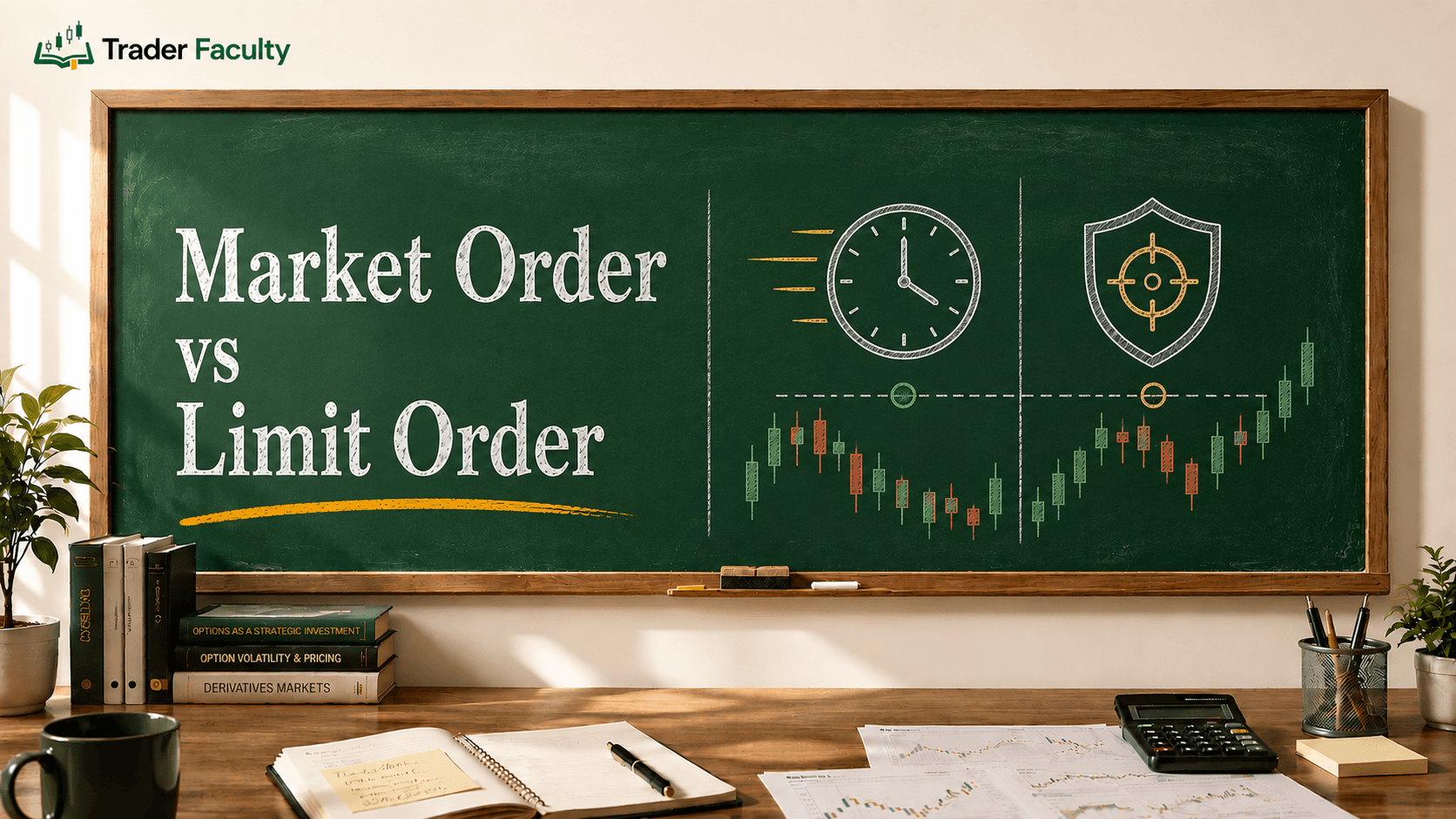
- Market orders pay the spread right away, whereas limit orders let you set a specific price and wait on the order book.
- Keeping trading costs low requires focusing on high-volume assets and trading during major market sessions.
What Is the Bid-Ask Spread?
The bid-ask spread represents the gap between what buyers want to pay and what sellers want to receive for a financial asset.
Every active market displays two prices for an asset:
- Bid Price: The highest price a buyer is willing to pay. If you sell an asset immediately, you sell at the bid price.
- Ask Price (or Offer): The lowest price a seller is willing to accept. If you buy an asset immediately, you buy at the ask price.
The ask price is always higher than the bid price because sellers naturally want more money than buyers want to offer. The gap between these two figures is the spread.
Spread = Ask Price - Bid Price
To calculate the spread, subtract the bid price from the ask price. For example, if Stock XYZ has a bid price of $100.00 and an ask price of $100.05, the spread is $0.05 per share ($100.05 - $100.00).
If you buy 100 shares at the ask price of $100.05 and immediately sell them back at the bid price of $100.00, you lose $5.00 ($0.05 x 100 shares). That $5.00 gap is your cost for entering and exiting the market instantly.
How Order Book Mechanics Create the Spread
Financial markets bring buyers and sellers together inside a digital database called an order book. The order book displays all active buy orders on one side and sell orders on the other.
Market participants fall into two primary groups: price takers and liquidity providers. Market makers act as liquidity providers by quoting both buy and sell prices at the same time. They take on the risk of holding assets on their balance sheet and earn compensation through the spread.
According to the CFA Institute, market makers provide liquidity to buyers and sellers, earning compensation through the bid-ask spread as a core transaction cost.
Choosing between market orders versus limit orders changes how you interact with the spread:
- Market Orders: A market order fills instantly at the best available ask or bid price. You get immediate execution, but you pay the full spread cost right away.
- Limit Orders: A limit order allows you to specify the maximum price you will pay or the minimum price you will accept. Your order sits on the order book until a buyer or seller meets your price. Limit orders help you avoid paying the spread, but your order might not fill if the market moves away.
Why the Spread Matters for Traders
The spread acts as an automatic friction cost that directly reduces your trading returns.
Every market entry starts with a small unrealized loss because you buy at the higher ask price while your position is valued at the current bid price. The market must move in your favor by the exact amount of the spread just for your trade to reach breakeven.
The impact of spread costs varies depending on your trading frequency and style:
| Trading Style | Trade Frequency | Average Spread Impact |
|---|---|---|
| Scalping | High (10–50 trades/day) | Extreme (spread eats a large part of gains) |
| Day Trading | Medium (1–5 trades/day) | Moderate (must be calculated into trade targets) |
| Swing Trading | Low (1–3 trades/week) | Low (price movements far exceed the spread) |
Your total transaction expense includes the spread, broker commissions, and potential execution slippage (the gap between the price you expect and the price you actually get). Even on zero-commission accounts, brokers often widen the bid-ask spread to collect their operational fee.
Factors That Cause Spreads to Widen or Narrow
Market spreads move dynamically based on liquidity, volatility, and session timing.
- Market Liquidity: Assets with high trading volume feature high liquidity and narrow spreads. Major currency pairs like EUR/USD or popular index funds trade with tight spreads measured in small fractions of a cent. Low-volume assets, such as penny stocks or exotic currency pairs, have wide spreads because fewer market participants are willing to match orders.
- Market Volatility: Spreads expand rapidly during major economic announcements, central bank interest rate updates, or unexpected news releases. When price volatility surges, market makers widen their buy and sell quotes to protect themselves against rapid market moves.
- Trading Hours: Spreads naturally narrow during peak trading hours when major regional exchanges overlap, such as the London and New York session overlap. Conversely, spreads widen during off-peak hours when global trading activity slows down.
Common Bid-Ask Spread Mistakes Beginners Make
Avoiding common order execution errors helps protect your balance from unnecessary friction costs.
- Trading During News Releases: Entering market orders right when major economic reports drop exposes your order to expanded spreads and price slippage.
- Ignoring Spreads on Short Timeframes: Taking a trade with a 2-pip spread (a pip being the smallest standard price increment in forex) on a 6-pip target means 33% of your potential profit goes straight to transaction fees.
- Forgetting the Ask Price on Buy Stops: Most charting software defaults to showing the bid price line. If you place a buy stop order above market structure, the ask price might trigger your order before the chart candle reaches your line.
Conclusion
Managing execution costs is an essential skill for long-term trading consistency. By sticking to liquid markets, timing entries during active sessions, and using limit orders when possible, you can minimize the impact of transaction fees on your account balance. As you work to start trading, inspect the live bid and ask quotes before clicking buy or sell. Trading always carries the risk of losing money, so treat every trade as a controlled business decision rather than a quick path to returns.
Frequently Asked Questions
Why is the ask price always higher than the bid price?
Sellers naturally want to receive the highest possible price for an asset, while buyers want to pay the lowest. The ask price sits higher than the bid price to reflect this fundamental gap in buyer and seller expectations, allowing market makers to earn compensation for providing liquidity.
Who receives the bid-ask spread in trading?
Market makers and liquidity providers capture the bid-ask spread as compensation for facilitating trades and taking on inventory risk. In retail trading, brokers may also markup the spread to cover operational execution expenses instead of charging a separate trade commission.
How does the bid-ask spread affect market orders versus limit orders?
Market orders fill immediately at the current best ask price when buying or bid price when selling, paying the full spread cost instantly. Limit orders allow you to set a specific target price, placing your order onto the order book where you avoid paying the spread if matched.
What causes a bid-ask spread to widen unexpectedly?
Spreads widen when market liquidity drops or price volatility surges. Major economic news releases, central bank rate decisions, market open or close windows, and trading low-volume assets like penny stocks or exotic FX pairs all cause market makers to widen quotes to protect against sharp price swings.
How do you calculate the bid-ask spread?
To calculate the bid-ask spread, subtract the bid price from the ask price. For example, if a stock shows a bid price of $100.00 and an ask price of $100.05, the bid-ask spread is $0.05 per share ($100.05 - $100.00).
Keep learning
Trading 101
Know the mechanics cold before you risk a single cent.
8 lessons quiz
Start Trading 101The Trader Faculty Team writes and reviews every guide together — pairing hands-on market experience with a curriculum-first approach to trading education. One good syllabus, taught in the order that makes you better.