What Is Forex Risk Management? A Practical Guide
Learn forex risk management rules, position sizing math, and exit strategies to protect capital. Read the full guide.
By Trader Faculty Team
Direct Answer
Forex risk management is the structured practice of controlling trade exposure to prevent currency market fluctuations from causing severe account losses. It combines mechanical rules like the 1% risk limit with objective position sizing and predefined stop-loss exits. This approach prioritizes capital preservation so that traders remain solvent across volatile market conditions.
Forex risk management is a system of rules, position calculations, and exit tools designed to protect your trading capital from severe currency market swings.
Most beginners spend all their energy searching for trade setups, only to watch a single bad trade wipe out weeks of hard-earned gains. Without firm boundaries, sudden price swings and leverage can drain your account balance within hours. This guide breaks down position sizing formulas, exit rules, and practical steps to keep your account safe on every trade.
Quick Takeaways
- Risk management protects your trading balance so you stay solvent through unavoidable losing streaks.
- The 1% rule caps your maximum cash loss on any single currency trade to a small fraction of your total account.
- A stop-loss order helps control downside, but market slippage and price gaps mean exit prices are never certain.
- Higher reward-to-risk setups allow your trading account to grow even when you win less than half your trades.
What Is Forex Risk Management?
Forex risk management is the practical method of identifying financial hazards in currency trading and taking specific steps to limit possible losses. When exploring what is forex risk management, traders quickly discover that it is not about predicting market direction. Instead, forex risk management meaning centers on survival: controlling what you can lose on any position so that a series of bad outcomes cannot destroy your account.
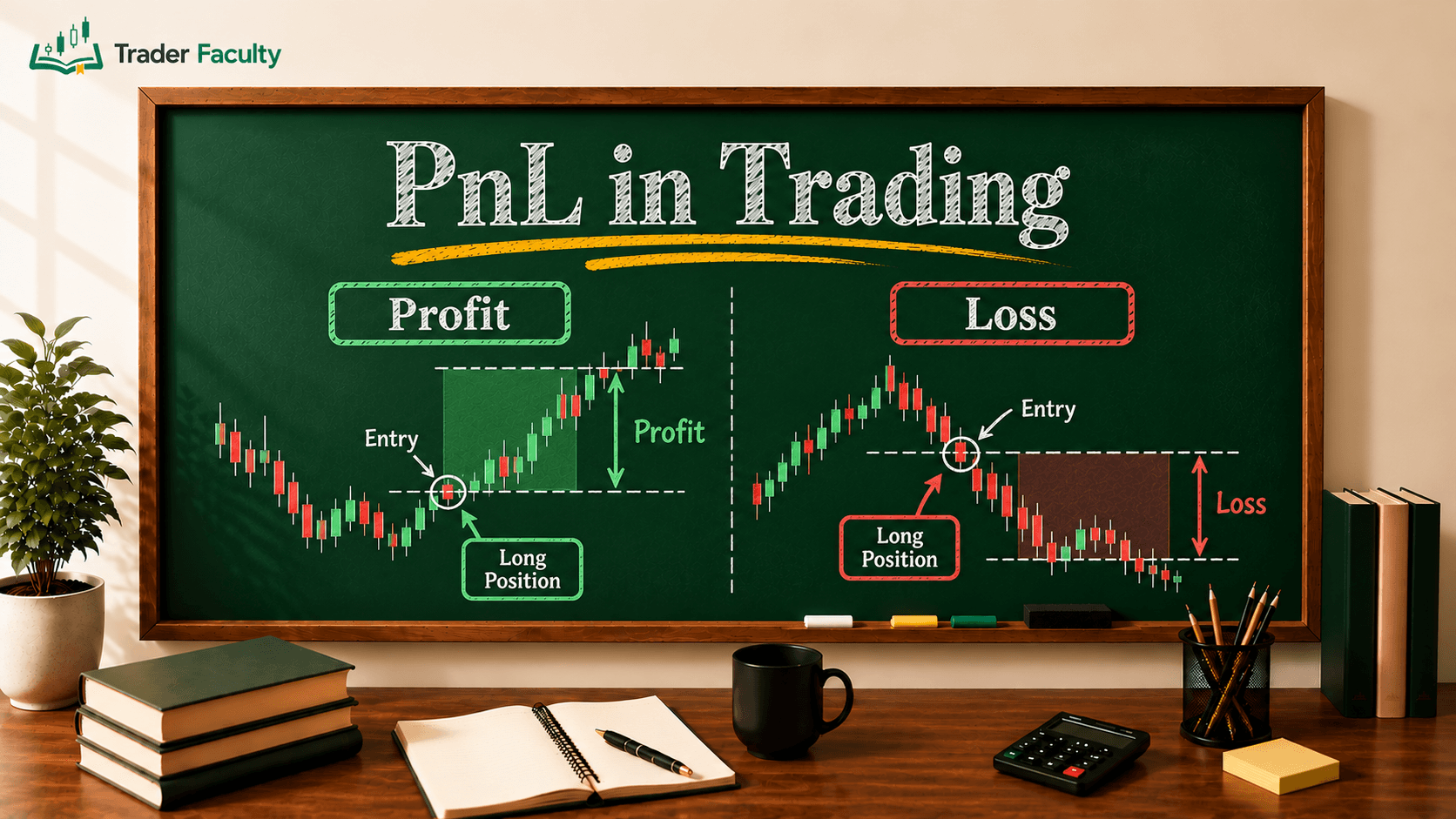
To see forex risk management explained in clear numbers, look at how losses damage capital. If your trading balance drops by 10%, you need an 11% gain on your remaining funds just to get back to even. But if you take a deep 50% drawdown — that is, a peak-to-trough drop in account equity — you must generate a 100% gain just to break even. Most retail traders cannot recover from a deep drawdown because emotional distress takes over. By managing your risk before entering the market, you protect your capital base and keep the mathematical odds on your side.
The Core Risks in Currency Trading
Currency trading involves several distinct risks that can quickly compound if left unmonitored. The largest driver of fast losses is leverage, which is borrowed capital from your broker that lets you control larger positions with a relatively small cash deposit. While leverage expands your buying power, it also multiplies losses against your original cash margin at the exact same rate. A tiny 1% move against a position with heavy leverage can completely wipe out your initial deposit.
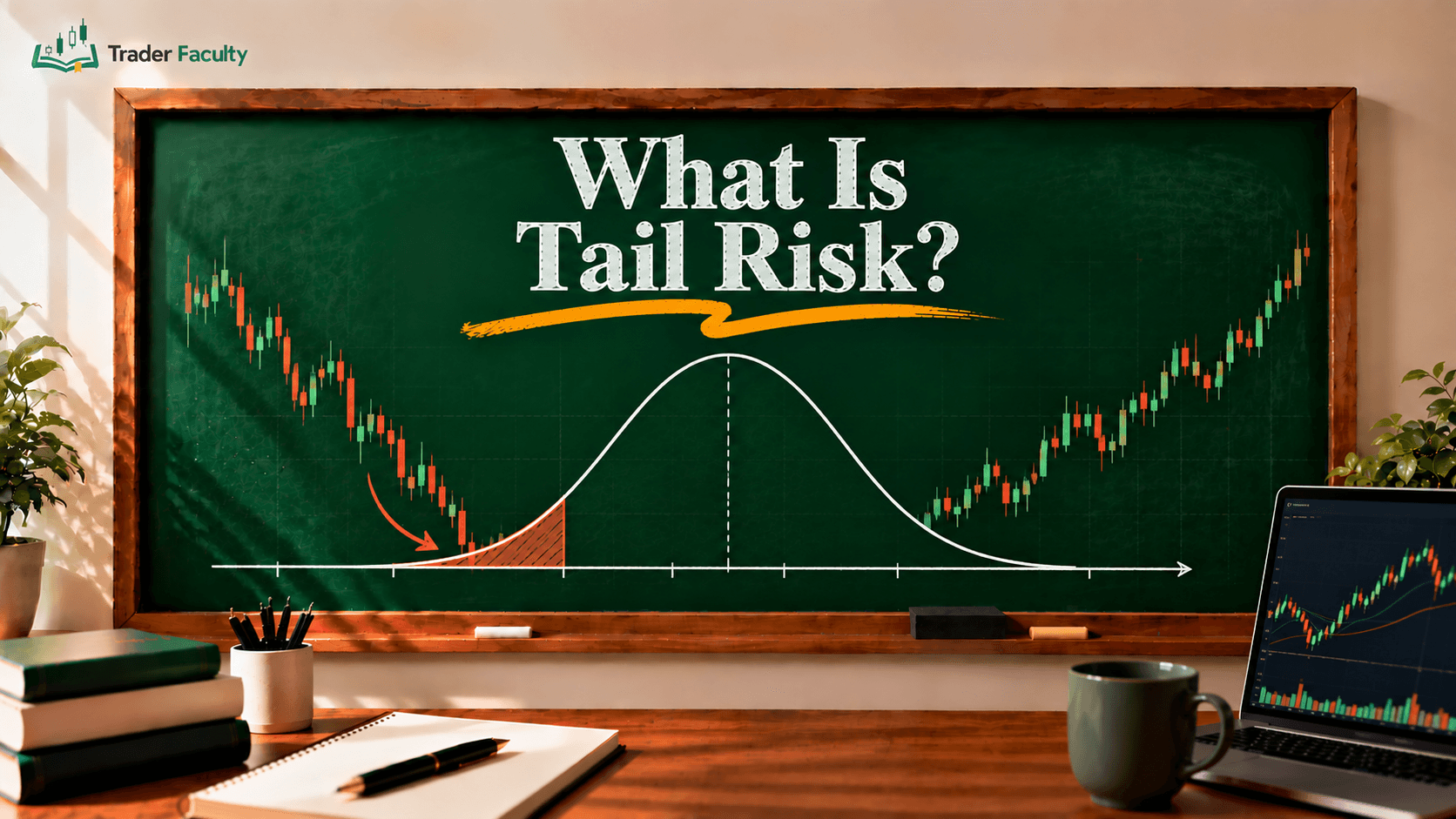
According to data published by the European Securities and Markets Authority (ESMA), between 74% and 89% of retail trading accounts lose money when trading leveraged products — a figure ESMA has cited since its 2018 product intervention measures. Beyond leverage, currency traders face execution risks, such as market slippage and weekend price gaps. Slippage occurs when an order fills at a worse price than expected because quotes move rapidly. During major economic news releases, liquidity — how easily an asset trades without moving market price — can vanish, creating sharp price spikes that jump directly over your intended exit price.
Position Sizing and the 1% Rule

Position sizing is the mathematical calculation of how many units or lots of currency to trade based on your chosen risk level and stop distance. Professional traders rely on the 1% rule, which states that you should never risk more than 1% to 2% of your total account balance on a single trade setup. If you hold a $5,000 balance, a 1% risk limit means your maximum cash loss on any individual trade idea is capped strictly at $50.
You can determine your exact lot size using a straightforward formula before submitting an order:
Position Size = (Account Balance × Risk Percentage) / (Stop Loss Distance in Pips × Pip Value per Unit)
In this formula, your account balance multiplied by your chosen risk percentage gives the total cash amount you are willing to lose, while your stop distance in pips — the smallest standard price increment in currency quotes — multiplied by pip value defines the loss per unit.
For example, imagine you have a $5,000 account and want to risk 1% ($50) on EUR/USD. Your setup requires a stop loss placed 25 pips away from your entry price. On a standard account, one micro lot (1,000 currency units) has a pip value of roughly $0.10:
- Cash risk: $5,000 × 0.01 = $50
- Risk per micro lot: 25 pips × $0.10 = $2.50 per micro lot
- Position size: $50 / $2.50 = 20 micro lots (or 2 mini lots)
By calculating your lot size from your stop distance rather than guessing, you ensure that if the trade hits your stop loss, your account loses only your planned $50.
Managing Exits: Stop Losses and Spread Costs
A stop-loss order is an automatic instruction sent to your broker to close an open position once price touches a predetermined level. Setting a hard stop loss ensures that an adverse market trend does not turn a manageable loss into an account disaster. However, traders must understand that standard stop orders turn into market orders once triggered, meaning they do not provide a fixed exit price during flash crashes or weekend gaps.
When placing your stop loss and take-profit targets, you must also factor in the broker's transaction costs. You pay a transaction fee on every trade through the spread in forex, which is the difference between the bid buying price and the ask selling price. If the spread on GBP/USD is 2 pips and you set a 20-pip stop loss, that 2-pip spread represents 10% of your total planned trade risk. If you trade during illiquid market rollovers or major news events, spreads often widen significantly, which can trigger your stop loss earlier than anticipated or reduce your net profit.
Risk-to-Reward Ratios and Trade Math
A risk-to-reward ratio compares the amount of money you risk on a trade to the potential profit you expect to make. If you risk $50 to make $100, your trade offers a 1:2 risk-to-reward ratio. Structuring your trades with positive asymmetry ensures that your average winning trade is noticeably larger than your average losing trade.
Using favorable risk-to-reward ratios frees you from needing an unrealistically high win rate to stay profitable:
| Risk-to-Reward Ratio | Minimum Win Rate to Break Even | Outcome After 10 Trades (50% Win Rate, $50 Risk) |
|---|---|---|
| 1:1 | 50.0% | $0 (Break even) |
| 1:2 | 33.3% | +$250 Net Profit |
| 1:3 | 25.0% | +$500 Net Profit |
Taking setups with at least a 1:2 ratio means you can be wrong on half of your trades and still finish with a solid net gain. Traders who take negative ratios — such as risking $100 to make $25 — must maintain an 80% win rate just to avoid losing money, leaving zero room for unexpected market volatility.
Common Forex Risk Mistakes to Avoid
Most trading accounts fail not from bad market analysis, but from basic risk discipline breakdowns. Recognizing these recurring traps helps you keep your capital intact when market pressure rises:
- Moving your stop loss mid-trade: When a trade moves into negative territory, novice traders often push their stop loss further away to delay taking a loss. This bad habit turns small, controlled losses into severe hits.
- Trading oversized positions: Using extreme leverage to take oversized lot sizes leaves no room for normal market swings, often triggering sudden margin calls.
- Revenge trading: Jumping back into the market immediately after a loss to make your money back leads to emotional, impulsive entries without an edge.
- Ignoring economic calendars: Leaving open trades directly ahead of central bank rate decisions or employment reports exposes your account to violent spread spikes and slippage.
Conclusion
Forex risk management is not a secondary safety checklist; it is the core foundation that determines whether you survive long enough to build a profitable trading career. By calculating your lot size strictly on every trade, respecting your stop losses, and targeting favorable reward ratios, you remove destructive emotions from your execution. To build a complete defense for your portfolio across different assets, study the broader principles of risk management in trading as your next step. Trading currency pairs always carries the risk of losing money, so treat these guidelines as educational tools to guide your practice rather than financial advice
Frequently Asked Questions
How much capital should a beginner risk per trade in forex?
Beginners should typically risk no more than 1% of their total account balance on any single currency trade. For example, on a $1,000 account, your maximum loss on a trade should be capped at $10. Risking small percentages ensures that a series of consecutive losses does not severely deplete your trading capital, giving you enough time to build skills and discipline.
What is the difference between a margin call and a stop-out in forex?
A margin call is an alert from your broker warning that your account equity has fallen below the required maintenance level. If you do not deposit more funds or close open trades, your account reaches the stop-out level. At stop-out, the broker automatically closes your open positions at market prices to prevent your balance from falling into negative territory.
How do weekend market gaps affect stop-loss orders in forex?
Currency markets close on Friday evening and reopen on Sunday afternoon. If unexpected economic or political events occur over the weekend, prices can open much higher or lower than Friday's close. When a gap jumps past your stop-loss level, your order fills at the first available Sunday opening price, leading to larger losses than planned.
What is a safe daily drawdown limit for active currency traders?
Many traders set a maximum daily loss limit between 2% and 3% of their account balance. If your closed and open losses reach this limit during a trading day, you close your charts and stop trading immediately. Enforcing a hard daily boundary protects your capital from emotional decision-making and revenge trading following a frustrating session.
How does currency pair correlation affect risk management?
Currency correlation measures how two foreign exchange pairs move in relation to each other. If you enter long positions on EUR/USD and GBP/USD simultaneously, you double your exposure to US dollar weakness. Opening multiple positions in strongly correlated pairs doubles your actual risk per trade, even if each setup individually follows the 1% rule.
Keep learning
Risk & Money Management
One good article won't save your account. A risk framework will.
7 lessons quiz
Start the courseThe Trader Faculty Team writes and reviews every guide together — pairing hands-on market experience with a curriculum-first approach to trading education. One good syllabus, taught in the order that makes you better.