Is Short Selling Illegal? Legal Rules and Naked Shorting
Learn whether short selling is illegal, how covered shorting works, SEC Reg SHO rules, and naked shorting laws. Read the full guide.
By Trader Faculty Team
Direct Answer
Short selling is legal across public financial markets when executed through covered shorting, where shares are located and borrowed prior to order execution. However, naked shorting—selling shares without locating or securing the underlying stock—is illegal under SEC Regulation SHO. Regulatory rules also ban market manipulation schemes like "Short and Distort" to maintain fair pricing.
A short sale is a trading transaction where an investor borrows shares of a security and sells them on the open market, intending to buy them back later at a lower price to return to the lender.
Many new traders wonder if short selling is legal, especially when asset prices plunge during market volatility or corporate controversies. While executing short trades is entirely legal on public financial exchanges, the strategy operates within strict regulatory frameworks established by global market watchdogs.
This guide breaks down the legality of short selling, the critical difference between covered and naked shorting, key regulatory safeguards, and how to manage the unique operational risks involved.
Quick Takeaways
- Short selling is legal on major regulated financial exchanges when executed through legitimate borrowing mechanisms.
- The legal threshold separates covered short selling (legal, where shares are located before execution) from naked shorting (illegal, where shares are sold without being located).
- Regulatory bodies use mechanisms like SEC Regulation SHO and circuit breaker rules to limit market manipulation and settlement failures.
- Short sellers contribute to market liquidity and price discovery, often identifying financial irregularities before general market consensus.
- Short positions expose traders to asymmetric downside risk, borrow costs, and potential margin calls if the security appreciates in price.
Is Short Selling Illegal? The Legal Status in Financial Markets
Short selling is a legal and foundational component of modern public financial markets. Major exchanges like the New York Stock Exchange (NYSE), Nasdaq, and the London Stock Exchange (LSE) permit short sales across various equities, exchange-traded funds (ETFs), and listed derivatives.
When learning trading strategies, traders quickly discover that financial markets allow participants to express both bullish and bearish views. Selling short provides a mechanism to speculate on declining prices or hedge existing long positions against broader downside exposure.
Rather than acting as a form of illegal market manipulation, legitimate short selling contributes directly to financial market efficiency. By allowing traders to sell assets they believe are overvalued, short selling aids price discovery, reduces speculative bubbles, and provides market liquidity. However, because short sales can increase downward pressure on share prices during panics, regulators mandate specific rules to ensure short sales are executed fairly and transparently.
Covered vs. Naked Short Selling: Where the Law Draws the Line
To understand short selling, traders must recognize the structural line separating legitimate trades from market violations: the distinction between covered and naked shorting.

Covered Short Selling (Legal)
A covered short sale occurs when a trader borrows—or confirms the availability to borrow—the target security before placing the sell order. Modern electronic brokerage systems automate this process through margin accounts. Before your short sale order routes to the order book, the broker executes a "locate" to verify that transferable shares exist in their institutional inventory or via stock lending desks. Once located, the short sale is executed legally.
Naked Short Selling (Illegal)
Naked shorting happens when a market participant executes a short sale without first borrowing the security or ensuring that the shares can be located. Because the seller has not secured the underlying stock, this practice frequently leads to a "Failure to Deliver" (FTD), where the seller fails to deliver the promised shares to the buyer at settlement.
Uncovered or naked short selling was prohibited in the United States by the Securities and Exchange Commission (SEC) in 2008 following the global financial crisis. Selling unlocated shares creates artificial supply in an asset, which can artificially depress share prices and disrupt fair market pricing.
| Feature | Covered Short Selling (Legal)Naked Short Selling (Illegal) | Naked Short Selling (Illegal) |
|---|---|---|
| Stock Locate | Mandatory prior to order execution | Skipped or spoofed |
| Share Borrowing | Shares borrowed or reserved from lender | No shares secured prior to trade |
| Settlement | Shares delivered on standard T+1 settlement cycle | Frequently results in Failure to Deliver (FTD) |
| Regulatory Status | Allowed under exchange and broker guidelines | Strictly prohibited under SEC Reg SHO |
| Market Impact | Orderly price discovery and market liquidity | Distorts share supply and manipulates prices |
Regulatory Framework: SEC Regulation SHO and Circuit Breakers
To understand illegal short selling, active market participants must look at how regulatory authority governs short orders. In the United States, the primary governing framework is SEC Regulation SHO.

The Stock Locate Requirement (Rule 203(b)(1))
Under Regulation SHO Rule 203(b)(1), broker-dealers are prohibited from executing a short sale order for a retail or institutional customer unless the broker has:
- Borrowed the security,
- Entered into a bona fide arrangement to borrow the security, or
- Reasonable grounds to believe that the security can be borrowed so that it can be delivered on the settlement date.
Threshold Securities and Mandatory Close-outs (Rule 204)
When trades fail to settle, regulatory monitoring escalates. Under Rule 204, if a trade results in an FTD, the broker-dealer must buy back shares in the open market to resolve the failure before the next trading session opens. Securities experiencing persistent settlement failures over consecutive days are placed on a "Threshold Securities" list, requiring participants to pre-borrow shares before taking further short orders.
The Alternative Uptick Rule (Rule 201)
To protect markets from cascade selling, the SEC established Rule 201 (the Alternative Uptick Rule). If a stock's price declines by 10% or more from the previous session's closing price in a single day, Rule 201 triggers automatically. For the remainder of that day and the following trading session, short sales can only be executed at a price above the current best national bid, preventing short sellers from driving a falling stock down further.
Temporary Short Selling Bans
During severe macroeconomic panics, systemic crises, or extreme market volatility, national regulators maintain emergency authority to issue temporary bans on short selling—often restricted to specific sectors like financial institutions. For instance, during the 2008 banking crisis, financial watchdogs in the US, UK, and Europe briefly halted short selling on bank equities to stabilize systemic liquidity.
Short Selling vs. Market Manipulation: Legal Shorting vs. "Short and Distort"
A fundamental confusion surrounding is short selling illegal example stems from mistaking legitimate bearish research for illegal market manipulation.

Legitimate Short Research vs. Illegal Manipulation
Independent short sellers frequently publish detailed research reports exposing corporate mismanagement, aggressive accounting practices, or outright fraud. If an investor takes a short position and publishes truthful, verified, or analytical opinions about a company, the transaction is legal. Notable institutional short sellers have uncovered structural accounting frauds long before corporate auditors or regulators took action.
Conversely, engaging in a "Short and Distort" scheme is strictly illegal under securities law. In a Short and Distort scheme, a trader takes a short position in a security and deliberately spreads false, misleading, or deceptive rumors to drive the stock price down. This practice constitutes fraudulent market manipulation under the SEC rules and FINRA standards, exposing perpetrators to criminal prosecution, administrative fines, and lifetime trading bans.
Operational and Risk Realities of Short Selling
While short selling is legal, executing short trades presents operational mechanics and risk profiles distinct from traditional long buying. Traders stepping into active trading must recognize how shorting exposes capital to asymmetric risk.
Asymmetric Downside Exposure
When you buy a stock (going long), your potential loss is capped at your original investment if the price drops to zero, while your upside potential is unlimited.
When you short a stock, the risk structure flips:
- Maximum Profit: Capped at 100% (if the asset drops to zero dollars).
- Maximum Loss: Theoretically unlimited, as a stock's price can continue rising indefinitely.
If a shorted stock rallies sharply, price moves against the short position, compounding dollar losses with every upward tick.
Borrow Fees and Hard-to-Borrow Rates
Short sales require borrowing shares from your broker's lending pool. While liquid mega-cap stocks often carry negligible borrow fees, "hard-to-borrow" (HTB) equities with low float or high short interest incur daily fee rates. These borrow fees are annualized percentage charges deducted directly from your account balance for as long as the short position remains open.
Short Squeezes and Buy-in Risks
When a heavily shorted stock rapidly rises in price, short sellers may rush to buy back shares to limit their mounting losses. This sudden wave of buying pressure pushes prices higher, triggering more stop-losses and forcing additional short covers. This feedback loop is known as a short squeeze. In volatile squeezes, brokers reserve the right to execute a mandatory "buy-in," forcibly closing out a trader's short position without consent to protect against account deficits.
Common Mistakes Beginners Make When Shorting Stocks
Operating safely on the short side of the market requires strict discipline. Beginners often run into several avoidable execution errors:
- Ignoring Short Interest and Float Dynamics: Opening short positions on stocks with very high short interest (>20% of public float) significantly elevates short squeeze vulnerability.
- Trading Without Stop-Loss Orders: Because short sales carry uncapped downside risk, holding an unhedged short trade without an automated stop-loss order can lead to devastating account capital depletion.
- Overlooking Dividend Payment Responsibilities: If you hold a open short position across a stock's ex-dividend date, you do not collect the dividend; instead, you are obligated to pay the dividend amount out of your account to the original stock lender.
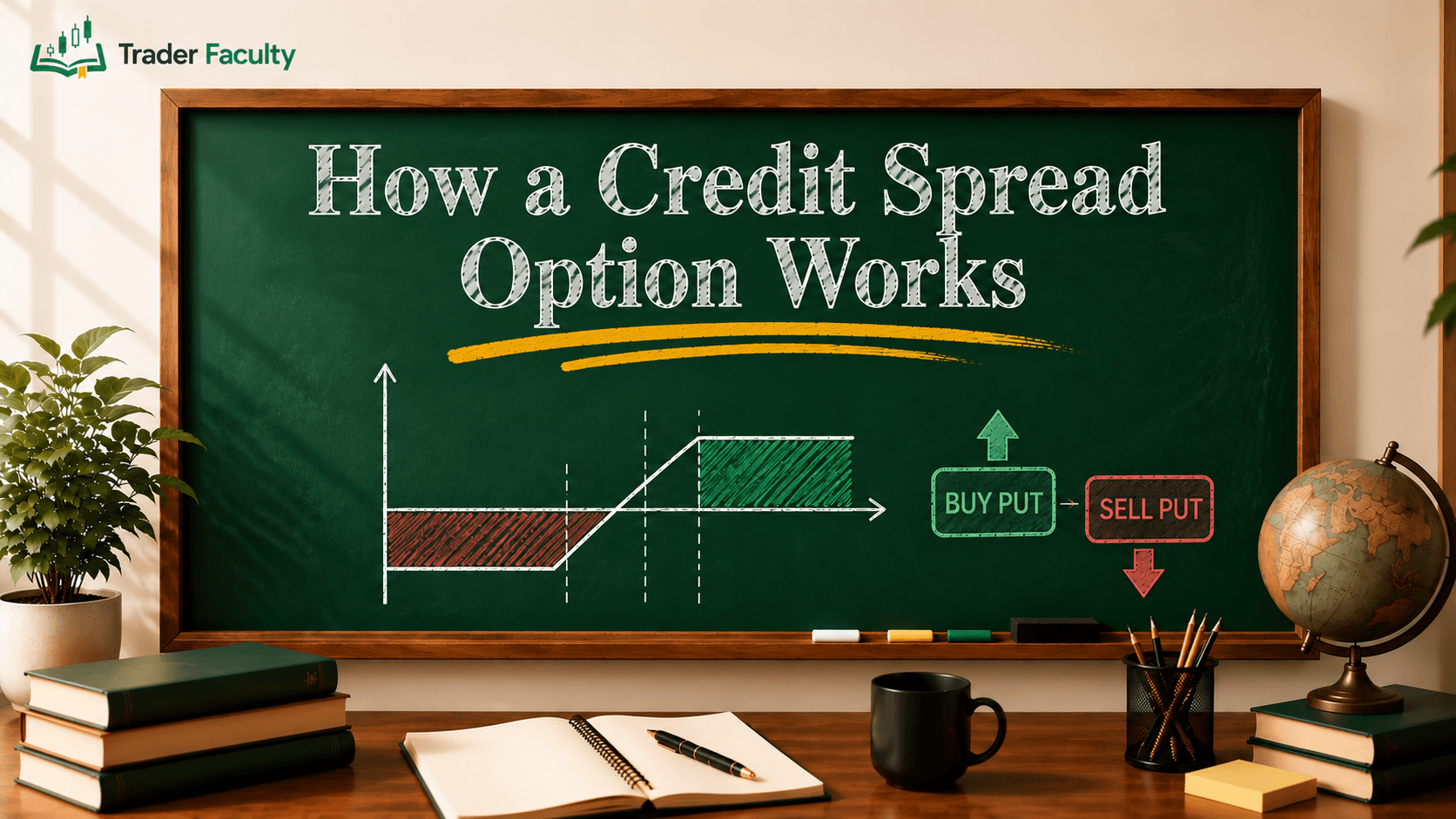
- Confusing Short Selling with Options Strategies: Buying a put option gives the trader the right to profit from a price decline with capped risk (the option premium paid), whereas directly shorting shares involves margin borrowing and theoretically open-ended downside exposure.
Conclusion
Short selling is a legal, highly regulated market mechanism designed to allow asset price discovery and maintain market balance. While covered short selling remains a standard trading tool, regulatory bodies enforce strict prohibitions against naked short selling and manipulative Short and Distort schemes.
Because short selling introduces structural operational risks—such as borrow fees, margin calls, short squeezes, and uncapped downside exposure—it requires precise position sizing and strict risk controls.
Before shorting individual equities, ensure you master foundational market mechanics through day trading for beginners and build a disciplined trading system. Trading financial markets carries the real risk of losing money, so treat every trade setup as an educational component of your broader market strategy.
Frequently Asked Questions
Is short selling legal in the United States?
Yes, short selling is legal in the US when executed through a registered broker-dealer under SEC regulations. Brokers must locate available shares to borrow before routing covered short orders to public market exchanges.
What is the difference between covered and naked short selling?
Covered short selling occurs when a trader locates and borrows shares before executing a short order. Naked short selling happens when shares are sold without being located first, which is illegal because it distorts market supply and creates settlement failures.
Why is naked shorting illegal under SEC rules?
Naked shorting is illegal under SEC Regulation SHO because it introduces artificial share supply into the market, which can artificially depress stock prices and lead to persistent failures to deliver at settlement.
What is a "Short and Distort" scheme?
A "Short and Distort" scheme is an illegal form of market manipulation where a participant enters a short position and deliberately spreads false or deceptive rumors to trigger panic selling and profit from the price drop.
Can regulators temporarily ban short selling?
Yes, financial regulators like the SEC have emergency authority to issue temporary short-selling bans or trigger circuit breakers (such as Rule 201) during extreme market panics to stabilize market liquidity.
The Trader Faculty Team writes and reviews every guide together — pairing hands-on market experience with a curriculum-first approach to trading education. One good syllabus, taught in the order that makes you better.