Stop Loss Hunting Explained: A Guide for Traders
Learn what stop loss hunting means and how to protect your orders from sudden market sweeps. Read the full guide.
By Trader Faculty Team
Direct Answer
Stop loss hunting is a market occurrence where price briefly pushes beyond obvious support or resistance levels to absorb clustered stop orders before reversing direction. This movement is typically driven by institutional participants seeking large counterparty volume rather than retail broker manipulation. Traders can protect their positions by using volatility buffers and avoiding predictable chart levels.
Stop loss hunting is a market event where price briefly pushes beyond obvious support or resistance levels to trigger clustered stop orders before quickly reversing back into the main trading range.
It is one of the most frustrating moments in trading: price hits your exit to the exact penny, takes your money, and then flies toward your target without you. While many traders blame their brokers, this price action is usually driven by normal auction mechanics and institutional order flow. This guide explains why stop runs happen, where liquidity pools hide, and how to place stops that survive ordinary market swings.
Quick Takeaways
- Stop loss hunting is usually a natural search for trading volume by institutions, not a personal plot by your broker.
- Resting stop orders act as market orders when triggered, creating a pool of counterparty volume that large buyers or sellers need to fill big positions.
- Setting stops at obvious chart points like equal lows or round numbers makes your orders easy targets for liquidity sweeps.
- Adding a volatility buffer with Average True Range helps keep your stop outside normal daily price noise.
- Whenever you widen a stop loss to give a trade more room, you must reduce your position size to keep your monetary risk the same.
What Is Stop Loss Hunting?
Stop loss hunting refers to market activity where price moves toward dense areas of resting customer stop orders, executes them, and immediately reverses direction.
Many beginners ask what is stop loss hunting because it feels like someone is watching their screen. In trading circles, the stop loss hunting meaning often carries a negative tone, with traders assuming that retail brokers intentionally drive prices down to snatch small accounts.
In regulated markets, however, retail accounts are too small for major institutions to target individually. The real driver is the auction process: price moves toward liquidity, and resting stops represent concentrated liquidity waiting to be filled. To protect your capital from these moves, you first need a solid grasp of how a stop loss functions in the live market.
How Stop Loss Hunting Works: Liquidity and the Order Book

Stop loss hunting works by using resting exit orders as the fuel needed to fill large institutional buy or sell positions without causing severe slippage.
To see stop loss hunting explained clearly, you must look at how the order book — that is, the electronic list of buy and sell orders at different prices — functions. When an institution or fund wants to buy 50,000 shares or hundreds of futures contracts, they cannot simply click buy at the market price. Doing so would wipe out available sell limit orders and drive the purchase price up against themselves, resulting in heavy slippage (the difference between the expected fill price and the actual execution price).
Instead, large buyers look for pools of available sellers. When retail traders enter long positions above a support floor, they place protective sell stops right underneath it. A sell stop is not a passive resting order; once price touches it, the order turns into an immediate market order to sell.
When price dips below support, it triggers thousands of these sell orders at once. That sudden wave of selling gives the institutional buyer exactly the counterparty volume needed to enter a large long position at a discount. Once that selling is absorbed, the downward pressure vanishes, and price snaps back upward.
Broker Manipulation vs. Institutional Liquidity Sweeps
Institutional liquidity sweeps are a normal feature of open markets, whereas genuine broker stop hunting is an illegal practice limited mainly to rogue, unregulated dealers.
In modern trading, regulated firms must follow strict execution standards. Regulators like the Financial Conduct Authority enforce clear conduct rules and best-execution duties that forbid dealers from deliberately triggering client orders or manipulating spreads to profit at a customer's expense. When you trade through an exchange or a genuine agency broker, your broker has no financial interest in whether your trade wins or loses.
However, artificial stop outs can still happen without illegal manipulation due to the bid-ask spread — the difference between what buyers will pay and what sellers will accept. During major economic news releases or low-volume periods like session rollovers, market makers pull their quotes. The spread widens sharply. If your stop sits too close to the current price, an expanding spread can trigger your stop order even if the chart's middle price never visibly touches your level.
Where Stop Loss Clusters Form on a Chart
Stop loss clusters form at predictable price levels where technical analysis textbooks teach retail traders to place their safety exits.
The most common cluster sits directly below a double bottom or just above a double top. Because retail guides suggest placing exits a few ticks beyond recent swing points, large pools of stop orders collect in narrow bands just outside those boundaries.
Human psychology also favors round, neat figures. Traders naturally set stop orders right at whole numbers such as $50, $100, or key currency handles. Institutional algorithms know these behavioral patterns and often test these round-number levels to uncover hidden liquidity.
Tightly packed stops also gather behind popular trendlines, triangles, and chart necklines. When price pierces these textbook lines, breakout traders jump in while stopped-out traders exit, creating the exact burst of trading volume that larger participants need.
How to Protect Your Trades from Stop Loss Hunting
Protecting your trades from stop loss hunting requires spacing your stops outside obvious structural zones and calculating their distance using market volatility.
Instead of setting your exit on a static support line, give your position breathing room by using an indicator like Average True Range (ATR). ATR measures the average price movement over a given number of candles, typically using a 14-period setting. Example scenario (illustrative numbers, not real trade data): imagine entering with a 20-pip stop and a 2-lot position size. If you widen that stop to 40 pips using an ATR buffer, you would need to cut your position size to 1 lot to keep your total dollar risk the same.
Giving your stop more space increases the distance from your entry, which alters your risk balance. If you double your stop distance, you must cut your position size in half. Keeping your monetary risk constant protects your capital, even if the price move against you is wider.
Traders often weigh stop loss vs stop limit orders to control how they exit. While a stop-limit order prevents bad slippage by refusing fills below a minimum price, it carries the danger of leaving your position open if the market gaps past your limit. For hard risk protection, a standard stop order remains the safer choice.
Another way to avoid getting hunted is to stop entering at the first touch of support. Patient traders let the market sweep the swing low first. Once the wick forms, volume spikes, and price closes back inside the trading range, you can enter in the direction of the rejection with a stop placed below the newly formed wick.
Common Mistakes Traders Make with Stop Losses
The most damaging mistakes traders make with stop losses stem from emotional reactions to getting stopped out rather than flawed analysis.
- Trading Without a Stop Loss: After suffering several liquidity sweeps, some traders remove their stops entirely, convincing themselves that mental stops will prevent the market from hunting them. This emotional error leaves accounts exposed to sudden flash crashes or news gaps that can destroy months of progress in minutes.
- Placing Stops on Exact Price Structure: Setting an exit directly on the lowest price of the day or an exact round number ensures your order sits inside the heaviest liquidity pool. Give the market room to breathe by resting your orders in quieter price areas.
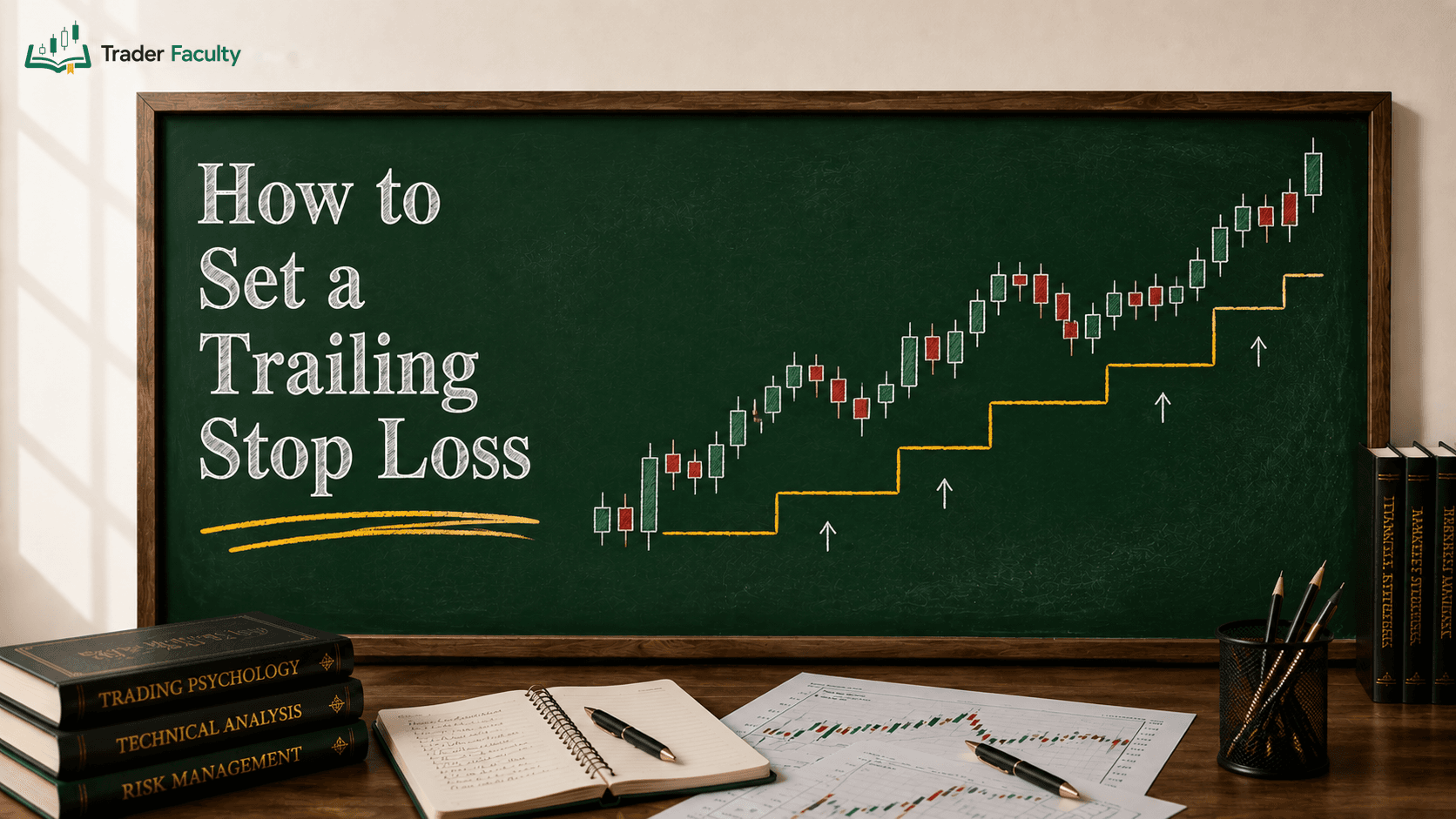
- Moving Stops Mid-Trade: Pushing your stop further away as price drops toward it turns a controlled loss into an undisciplined gamble. A stop loss should only ever move in the direction of profit to lock in gains, never away from entry to delay taking a loss.
Conclusion
Stop loss hunting is not a broker conspiracy designed to steal your capital; it is a normal characteristic of auction markets where large orders search for enough trading volume. When you stop viewing liquidity runs as personal attacks, you can structure your trades around them by using volatility buffers, waiting for sweeps to complete, and refusing to place exits at obvious price levels. Mastering these defensive techniques is a core foundation of sound risk management in trading, helping you stay solvent through every market cycle. Trading financial markets always carries the risk of losing money, so treat these lessons as educational foundations for your ongoing trading plan.
Frequently Asked Questions
Is stop loss hunting illegal?
In open and regulated financial markets, institutional liquidity seeking is completely legal, because it is a normal auction mechanism where large participants locate resting orders to fill large volume. However, deliberate price manipulation or artificial quote distortion by an unregulated broker to trigger client stops is illegal and strictly prohibited by major regulatory authorities.
Do regulated brokers hunt stop losses?
Regulated brokers operating under authorities like the FCA or CFTC do not hunt individual stop losses, because strict conduct rules, capital standards, and best-execution mandates require them to execute orders fairly. In addition, individual retail trade sizes are far too small to interest institutional desks or warrant the extreme regulatory risk of intentional manipulation.
How do you know if your stop loss was hunted?
A stop hunt typically appears on a price chart as a sharp, sudden wick that breaches a key support or resistance level, tags resting orders, and closes back inside the range. This price action is often accompanied by a temporary surge in trading volume followed by an immediate, sustained reversal away from the tagged level.
Why do institutions target stop loss clusters?
Large institutional market participants trade sizes that cannot be executed instantly without moving the market price against themselves. Clustered retail stop losses represent concentrated pools of market orders, so by driving price into these zones, institutions acquire the substantial counterparty volume necessary to fill large positions with minimal execution slippage.
Can using a wider stop loss prevent stop hunting?
Using a wider stop loss with a volatility buffer such as the Average True Range can prevent routine market noise from triggering your exit. However, widening a stop increases the risk distance, meaning you must reduce your position size to keep your total monetary risk balanced and protected against deeper structural reversals.
Keep learning
Risk & Money Management
One good article won't save your account. A risk framework will.
7 lessons quiz
Start the courseThe Trader Faculty Team writes and reviews every guide together — pairing hands-on market experience with a curriculum-first approach to trading education. One good syllabus, taught in the order that makes you better.